When the summer sun decides to really crank up the heat, the inside of your home can feel less like a sanctuary and more like a sauna. Learning how to cool a room with a fan and ice is an old-school hack that can provide surprisingly effective relief by creating a miniature, makeshift air conditioner. As the fan blows air over the cold surface of the ice, the air temperature drops slightly, and the melting ice releases cool water vapor through evaporation, contributing to a cooler sensation without the high energy cost of traditional AC.
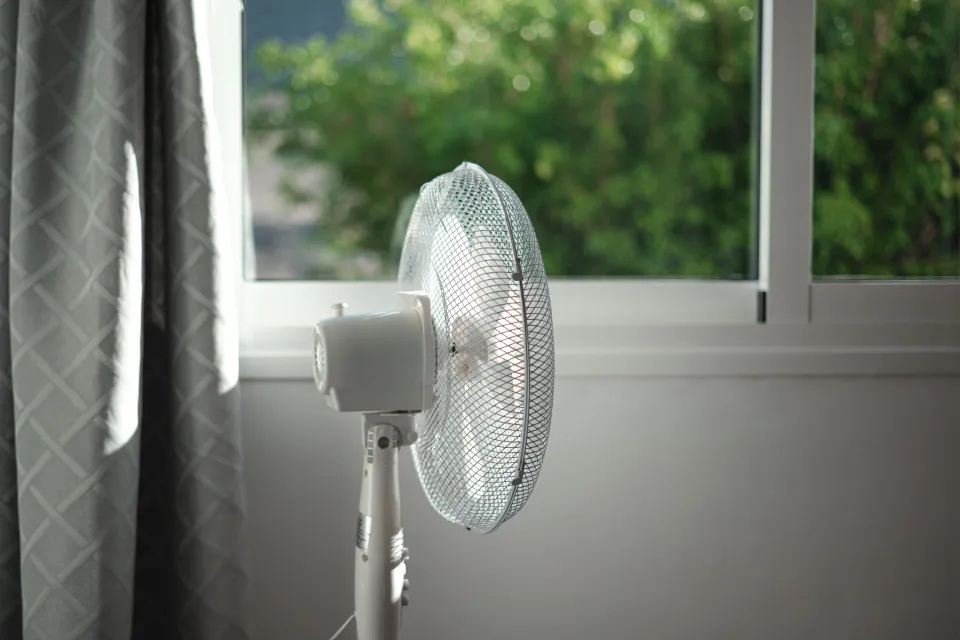
The Simple Science: Why Does This Even Work?
Your fan doesn’t actually lower the room’s temperature; it creates a wind-chill effect by speeding up the evaporation of sweat from your skin, which is your body’s natural cooling system. It’s a great feeling, but it’s still just moving hot air.
So, where does the ice come in?
By placing a source of cold—in this case, ice—in the fan’s direct path, you’re essentially creating a miniature, makeshift air conditioner. As the fan blows air over the cold surface of the ice, the air temperature drops slightly. The melting ice also releases cool water vapor into the air through evaporation, which further contributes to a cooler sensation. You’re not just moving air; you’re moving chilled air.
“Think of it as a basic form of evaporative cooling,” notes Dr. Aris Thorne, a specialist in home energy solutions. “Commercial swamp coolers work on a similar, albeit much more sophisticated, principle. For a personal space, the fan and ice method leverages the same physics to provide localized comfort without the high energy cost.”
Gearing Up: What You’ll Need for Your DIY Air Cooler
The beauty of this method is its simplicity. You likely have everything you need right now. No trip to the hardware store required.
- A Fan: Any standard fan will do, but some work better than others. A sturdy box fan or an oscillating pedestal fan is often ideal because of their strong, direct airflow.
- A Container: A shallow metal or plastic bowl, a baking pan, or a bucket. Metal is a fantastic choice as it gets cold and stays cold, helping the cooling process.
- Ice: A good amount of it. You can use standard ice cubes from your freezer, a large block of ice (which melts slower), or even frozen water bottles.
- A Towel: To place under your container to catch any condensation and protect your floors or furniture.
Step-by-Step: How to Cool a Room with a Fan and Ice
Ready to beat the heat? Let’s get this simple system set up. There are a couple of popular methods, and both are incredibly easy.
Method 1: The Classic Bowl of Ice
Bảng trống.This is the most common and straightforward approach.
- Prep Your Station: Place a towel on the floor or on a stable surface like a small table or chair. This will prevent any water damage from condensation.
- Fill Your Bowl: Fill your metal or plastic bowl with ice cubes. Don’t be shy—the more ice, the longer the cooling effect will last.
- Position Everything: Place the bowl of ice directly in front of the fan’s blades, about 6-12 inches away. You want the fan to blow air directly over the entire surface of the ice.
- Power On: Turn your fan on, starting with a medium speed. Aim the fan directly at the area where you’ll be sitting or sleeping. You should almost immediately feel a cooler, more refreshing breeze.
Method 2: The Frozen Water Bottle Technique
This is my personal favorite because it’s less messy and the “ice packs” are reusable. It’s a fantastic, low-maintenance alternative.
- Freeze Your Bottles: Take a few standard plastic water bottles, fill them about 80-90% full with water (leave some room for the ice to expand!), and pop them in the freezer until they’re frozen solid. Pro-tip: Add a tablespoon or two of salt to the water before freezing. Saltwater has a lower freezing point, which means the ice will be even colder.
- Set Up Your Area: Just like before, place a towel down in front of your fan.
- Arrange the Bottles: Stand the frozen bottles up in a shallow pan or tray (to catch condensation) and place the tray right in front of the fan. Arrange them with small gaps in between to maximize the surface area the air can pass over.
- Feel the Chill: Turn on your fan and enjoy the chilled air. Once the bottles have thawed, you can simply refreeze them for the next heatwave. No mess, no fuss.
Choosing the Right Fan for the Job
While any fan is better than no fan, the type you use can make a difference. For this DIY cooling solution, you want a fan with a focused and powerful airflow.
- Box Fans: These are the workhorses. They move a large volume of air in a straight line, making them perfect for blowing across a bowl of ice.
- Pedestal Fans (Stand Fans): Versatile and powerful, these are great because you can adjust their height and direction. The oscillation feature can also help distribute the cool air over a slightly wider area.
- Tower Fans: These can work, but their vertical airflow design can make it a bit trickier to position the ice effectively. You’ll need to place the ice at the base where the fan draws air in.
Pro Tips to Maximize Your Cooling Effect
Want to take this from a neat trick to a genuinely effective cooling solution? Try these expert tips.
- Create a Cross-Breeze: This is the ultimate power move. Open a window on the opposite side of the room (preferably on the shaded side of your house). Position another fan in that window facing out, pushing hot air out of the room. This creates a natural airflow, pulling cooler air in while your ice fan chills the air inside.
- Use a Metal Bowl: As mentioned, metal conducts temperature much better than plastic. A metal mixing bowl will get icy cold itself, adding to the overall cooling surface.
- Go Big with Ice: A large, solid block of ice (made by freezing water in a Tupperware container) will melt much more slowly than individual cubes, giving you a longer-lasting cooling effect.
- Close Doors and Blinds: Trap that cool air! Close the door to the room you’re cooling and draw the blinds or curtains to block out the sun’s heating rays.
The Reality Check: Managing Your Expectations
It’s important to be realistic. This method is a fantastic hack for personal cooling, but it won’t magically drop your entire home’s temperature by 15 degrees. The effect is most pronounced in the direct line of the fan’s airflow. It’s perfect for cooling you down while you’re sitting on the couch, working at your desk, or trying to sleep.
One potential downside is a slight increase in humidity. As the ice melts and evaporates, it adds moisture to the air. In a very dry climate, this can be a welcome bonus. However, in an already humid environment, it might make the air feel a bit muggy over time.
Frequently Asked Questions (FAQ)
How long does the cooling effect from the fan and ice last?
This depends on the size of your room and how much ice you use. A large bowl of ice cubes might last for an hour or two, while a large block of ice or several frozen water bottles could provide cool air for three to four hours.
Can I use a tower fan to cool a room with a fan and ice?
Yes, you can, but it’s slightly less efficient than a box or pedestal fan for this specific task. For a tower fan, you should place your tray of ice or frozen bottles right at the base of the fan, where it draws air in for the most effective cooling.
Will this method make my room too humid?
It will add some moisture to the air. In a dry climate, this is often a benefit. In a very humid climate, you may want to ensure some ventilation by cracking a window to prevent the room from feeling damp or stuffy after several hours.
Is it really cheaper than using an air conditioner?
Absolutely. A typical central AC unit can use 3,000-5,000 watts of power. A standard pedestal or box fan uses only 50-100 watts. The energy cost of using a fan and ice is dramatically lower, making it a very energy-efficient cooling solution.
What is the best position for the fan and ice setup?
For maximum personal comfort, position the fan so it is blowing directly on you from a few feet away, with the ice placed right in between. Don’t try to cool the whole room; focus on cooling your personal space.
Conclusion: Your Cool and Clever Solution
When a heatwave hits, you don’t have to choose between sweating it out and dreading your next electricity bill. Learning how to cool a room with a fan and ice is a simple, effective, and incredibly affordable way to find relief. It combines the simple mechanics of your trusty electric fan with a little bit of thermodynamic ingenuity. By setting up your own DIY cooling station, you can create a personal oasis of comfort, making those hot summer days and nights far more bearable. Give it a try—your wallet and your well-being will thank you.
Frequently Asked Questions
How long does the cooling effect from a fan and ice setup last?
The cooling effect depends on the amount of ice used and room size. A large bowl of ice cubes typically lasts 1-2 hours, while a large block of ice or several frozen water bottles can provide cool air for 3-4 hours.
Can a tower fan be used effectively with the fan and ice method?
Yes, a tower fan can be used, though it's slightly less efficient than a box or pedestal fan. For best results, place the ice tray or frozen bottles at the base of the tower fan where it draws in air.
Will using a fan and ice increase the humidity in my room?
This method will add some moisture to the air as the ice melts and evaporates. In dry climates, this can be beneficial, but in already humid environments, consider cracking a window for ventilation to prevent stuffiness.
Is cooling a room with a fan and ice more cost-effective than using an air conditioner?
Absolutely. A standard fan uses only 50-100 watts, whereas a central AC unit consumes 3,000-5,000 watts. This makes the fan and ice method a dramatically more energy-efficient and cheaper cooling solution.
What is the optimal placement for a fan and ice setup for personal comfort?
For maximum personal comfort, position the fan to blow directly on you from a few feet away, with the ice placed right in between the fan and yourself. Focus on cooling your personal space rather than the entire room.
Cool a Room with a Fan and Ice
Learn two simple, effective methods to create a DIY air cooler using a fan and ice, providing personal relief from heatwaves.
Place a towel on the floor or a stable surface to catch condensation. This prevents water damage to your floors or furniture.
For the classic method, fill a metal or plastic bowl with ice cubes. For the reusable method, freeze water bottles (80-90% full, optionally with salt) until solid.
Place the bowl of ice or tray of frozen bottles directly in front of the fan's blades, about 6-12 inches away. Ensure the fan blows air directly over the ice surface.
Turn your fan on to a medium speed and aim it at your personal space. You should immediately feel a cooler, more refreshing breeze.
Get our weekly buyer guide
Practical specs, not advice. Unsubscribe anytime.
My apartment doesn’t have AC, and this simple science explanation really helped me understand why just a fan isn’t enough. Adding the ice makes all the difference! I used a metal bowl with ice cubes and a little salt, and the air coming off my fan was genuinely cooler. It’s a brilliant way to get that ‘miniature air conditioner’ feel without the expense.
I was skeptical about the fan and ice method, but wow, it really works! My bedroom gets so stuffy in the evenings, and I don’t want to run the AC all night. I tried the method with a bowl of ice in front of my box fan, and it made a noticeable difference. It’s a fantastic low-cost solution for those really hot nights.
This old-school hack is a lifesaver! My living room can feel like a sauna in the afternoon, and I’ve been looking for ways to cool it down without racking up a huge electricity bill. Using a bucket of ice in front of my oscillating fan definitely helped drop the temperature a few degrees. It’s not central AC, but for a quick cool-down, it’s surprisingly effective.
I tried the ice and fan trick, and while it did provide some relief, it wasn’t as dramatic as I hoped. The cool water vapor from the melting ice was nice, but I found I had to refill the ice pretty frequently to keep the effect going. It’s a good temporary fix for a small space, but maybe not for a larger room or prolonged heat.