It’s the middle of a sweltering summer afternoon, the air in your home is thick and stagnant, and turning on the AC feels like setting your wallet on fire. You have fans, but they just seem to be pushing the same hot air around. If this sounds familiar, you’re in the right place. Learning the best way to create a cross breeze with fans isn’t just a neat trick; it’s a game-changer for surviving the heat, improving your home’s air circulation, and saving a buck on energy bills. Forget what you think you know about just pointing a fan at your face. We’re about to dive into the simple physics of airflow to turn your home into a refreshingly cool sanctuary. This guide will walk you through everything, from the science behind a cross breeze to the strategic placement that makes all the difference.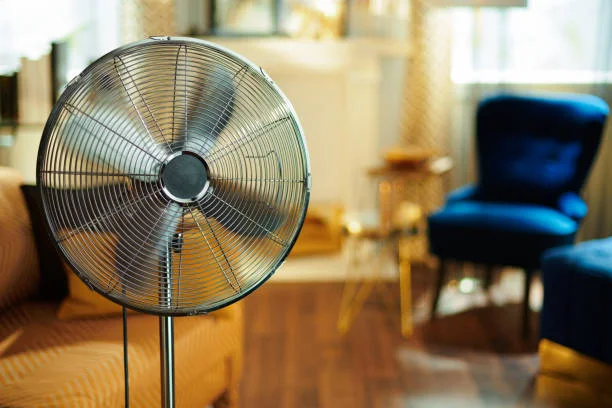
What is a Cross Breeze and Why Does It Work?
Before we start positioning fans, it’s helpful to understand the “why.” A cross breeze, or cross-ventilation, is simply a current of air that flows through a space, typically entering from one side and exiting from another. Think of it like a river: for it to flow, it needs an entry point and an exit point.In your home, this happens naturally when you open windows on opposite sides. The wind outside creates a pressure difference—higher pressure on the side the wind is hitting and lower pressure on the leeward (sheltered) side. Air naturally moves from high pressure to low pressure, creating a refreshing breeze that flushes out stale, hot air and pulls in fresher, cooler air.The problem? The wind isn’t always cooperating. That’s where fans come in. We can use them to artificially create this pressure difference, becoming the masters of our own indoor weather.
Choosing Your Fans: The Right Tools for the Job
You don’t necessarily need fancy equipment, but understanding your fan types helps. Each has its strengths in our mission to create the perfect breeze. For shop curated home cooling on this site.
Box Fans: The Unsung Heroes
These are the workhorses of cross-ventilation. Their wide, square design is perfect for fitting into window frames. They move a high volume of air (measured in CFM – Cubic Feet per Minute), making them ideal for both pulling cool air in and, more importantly, pushing hot air out.
Pedestal and Tower Fans: The Air Movers
While not ideal for sitting in a window, pedestal (standing) and tower fans are excellent for directing airflow inside the house. You can use them to guide the breeze from the “intake” window towards the “exhaust” window, ensuring the air doesn’t just meander aimlessly. Their oscillation feature can also help distribute the cool air more broadly.
Window Fans: The Specialists
These are fans built specifically for this purpose. Many models are reversible (with “intake” and “exhaust” settings) or even have twin fans that can do both simultaneously. They offer a more permanent and efficient solution if you plan on using cross-ventilation frequently.
The Best Way to Create a Cross Breeze With Fans: A Step-by-Step Guide
Alright, it’s time for the main event. Grab your fans and let’s get strategic. This method turns your home’s entire air volume into a flowing current.
- Identify Your Airflow Path: First, figure out where the coolest air is. In the evening or early morning, this is almost always outside. Your goal is to pull this cool air through the living areas you use most and exhaust the hot air from the other side of the house. A good path might be from a shady living room window, through a hallway, and out a sunny bedroom window.
- Set Up Your Intake Fan: Go to the window with the coolest, freshest air. Place a fan (a box fan is great for this) facing inward, pulling the cool air into your home. It should be a few feet back from the window to draw in a wider cone of air. If you have a dedicated window fan, set it to “intake.”
- Position Your Exhaust Fan: This is the most crucial step. Go to a window on the opposite side of your home, preferably in a room that gets a lot of sun and tends to be hot. Place another fan in this window facing outward. This fan’s job is to act like a powerful exhaust, actively pulling hot, stale air from inside your home and pushing it outside. This creates the low-pressure zone that the cool air from your intake fan will rush to fill.
- Create a Wind Tunnel: Close all other unnecessary windows and doors along the path between your two fans. This channels the airflow, creating a stronger, more focused breeze, much like putting your thumb over the end of a hose to make the water spray faster.
- Fine-Tune and Optimize: Turn the fans on. Start with a medium setting. Your exhaust fan should ideally be set to a slightly higher speed than your intake fan to enhance the pressure difference. Walk the path between the fans; you should feel a noticeable current of air. Adjust the fan speeds and angles until you get a comfortable, consistent flow.
“People often make the mistake of just having one fan blowing air in. The magic of a true cross breeze lies in the push-pull system. The exhaust fan is the engine of the operation; it creates the vacuum that makes the entire system work efficiently.” – Dr. Amelia Vance, Fluid Dynamics and Home Energy Solutions Expert.
Pro-Tips for a Supercharged Cross Breeze
Want to take your cooling to the next level? Here are a few expert tips.
- Timing is Everything: The most effective time to use this technique is at night or in the early morning when the outside air temperature is lower than the indoor temperature. You can cool your entire house down significantly, and it will stay cooler for longer into the day.
- The “Swamp Cooler” Hack: For an extra cooling boost, place a shallow pan of ice or a damp towel in front of your intake fan. As the water evaporates, it will cool the air being pulled into your home. It’s a low-tech but surprisingly effective form of evaporative cooling.
- Work with Your Home’s Levels: Hot air rises. If you have a multi-story home, set your intake fans on the lower level and your exhaust fans in the upper-level windows to help expel the hottest air that has accumulated upstairs.
- Check the CFM: When buying fans, look for the CFM rating. A higher CFM means the fan can move more air. For a large room or a whole-house effect, a fan with at least 2000 CFM is a great choice for your exhaust fan.
Common Mistakes to Avoid
Creating the perfect cross breeze is an art, and it’s easy to make a few common mistakes that reduce its effectiveness.
- Pointing all fans inward: This just pressurizes the house and leads to a lot of turbulent air, not a smooth, cooling flow. You must have an exhaust.
- Opening too many windows: This diffuses the airflow. You’ll lose the focused “wind tunnel” effect.
- Ignoring the temperature difference: Trying to pull in 95-degree air from outside won’t feel very refreshing. This method is about replacing hot indoor air with cooler outdoor air.
Frequently Asked Questions (FAQ)
Can I create a cross breeze with only one fan?Yes, you can create a partial effect. Place the fan in a window facing outward to exhaust hot air. This will create negative pressure, passively drawing cooler air in from other open windows. It’s not as powerful as a two-fan system, but it’s much better than nothing.Does creating a cross breeze with fans use a lot of electricity?Not at all, especially when compared to an air conditioner. Two standard box fans running for 8 hours use significantly less electricity than running a central AC unit for even just one hour. It’s a highly energy-efficient cooling solution.What’s better for the exhaust window, a box fan or a tower fan?A box fan is almost always better for an exhaust window. Its shape fits snugly in the frame, and it’s designed to move a large volume of air in a single direction, which is exactly what you need to push hot air out effectively.How do I know if the cross breeze is working?You should be able to feel it. Stand in the path between your intake and exhaust fans. You should feel a gentle but distinct current of air moving through your home. Another good test is to hold up a light piece of tissue or ribbon; it should flutter in the direction of the exhaust fan.Should the fans be on the highest setting?Not necessarily. A medium setting is often sufficient and much quieter. The goal is to create a steady, consistent flow. A high setting might be too noisy and won’t necessarily cool the house much faster if the flow is already established. Experiment to find the right balance for your space.
Your New Secret Weapon Against the Heat
Now you have the knowledge to transform your fans from simple air-pushers into a sophisticated cooling system. By understanding and applying the principles of airflow, you’ve unlocked the best way to create a cross breeze with fans. It’s an empowering, eco-friendly, and budget-conscious strategy to make your living space dramatically more comfortable.So go ahead, experiment with your fan placement, and feel the satisfaction of creating your own perfect breeze. You might find you don’t need to reach for that AC thermostat nearly as often.
Frequently Asked Questions
Can I create a cross breeze with only one fan?
Yes, you can create a partial cross breeze effect with a single fan by placing it in a window facing outward to exhaust hot air. This creates negative pressure, passively drawing cooler air in from other open windows, though it's less powerful than a two-fan system.
Does creating a cross breeze with fans use a lot of electricity?
No, creating a cross breeze with fans is highly energy-efficient compared to air conditioning. Two standard box fans running for 8 hours use significantly less electricity than running a central AC unit for even one hour, making it a budget-conscious cooling solution.
What type of fan is best for an exhaust window?
A box fan is almost always better for an exhaust window due to its design. Its square shape fits snugly in most window frames, and it is specifically designed to move a large volume of air in a single direction, effectively pushing hot air out of your home.
How can I tell if my cross breeze setup is working effectively?
You should feel a gentle but distinct current of air moving through your home when standing in the path between your intake and exhaust fans. A simple test is to hold up a light piece of tissue or ribbon; it should flutter noticeably in the direction of the exhaust fan.
Should fans be set to their highest speed for a cross breeze?
Not necessarily; a medium setting is often sufficient and much quieter for creating a steady, consistent airflow. While a high setting might be too noisy, it won't necessarily cool the house much faster if the flow is already established. Experiment to find the right balance for your space.
How to Create a Cross Breeze with Fans
Learn how to strategically place fans to create an effective cross breeze, improving air circulation and cooling your home efficiently.
Determine the path for airflow by finding the coolest air source, typically outside in the evening or morning. Plan to pull this cool air through your main living areas and exhaust hot air from the opposite side of your home, perhaps from a shady living room to a sunny bedroom.
Place a fan, ideally a box fan, a few feet back from the window with the coolest, freshest air, facing inward to pull air into your home. If using a dedicated window fan, set it to 'intake' to draw in a wider cone of cool air.
Place another fan in a window on the opposite side of your home, preferably in a hot, sunny room, facing outward. This fan actively pushes hot, stale air outside, creating a low-pressure zone that the cool air from your intake fan will rush to fill.
Close all other unnecessary windows and doors along the path between your intake and exhaust fans. This channels the airflow, creating a stronger, more focused breeze, similar to how a thumb over a hose increases water spray speed.
Turn on both fans, starting with a medium setting. Set the exhaust fan to a slightly higher speed than the intake fan to enhance the pressure difference. Walk the path to feel the air current and adjust fan speeds and angles for comfortable, consistent flow.
Get our weekly buyer guide
Practical specs, not advice. Unsubscribe anytime.
My house always felt so stagnant in the summer, and I hated running the AC constantly. This post gave me some great ideas for using my existing fans more effectively. I focused on placing one fan to draw air in and another to push it out, and it actually works! It’s not as cold as AC, but it’s a significant improvement for comfort.
This is exactly what I needed! I’ve always just pointed a fan at myself, but understanding how to actually move the air through the house is brilliant. I’ve been able to keep my home much cooler without cranking the AC, which is a huge win for my wallet. The explanation of the science behind it was super helpful.
I’ve been looking for ways to improve air circulation without spending a fortune. This guide on creating a cross breeze with fans was really practical. I used the tips for my kitchen, which always gets stuffy, and it’s noticeably better. It’s not perfect, but it definitely helps survive the heat without constantly running the expensive AC.
I was skeptical about creating a cross breeze with just fans, but this guide really broke down the physics of airflow in a way that made sense. I tried the strategic placement tips in my living room, and it made a huge difference. The air feels so much fresher and cooler now, even on really hot days. Definitely a game-changer for my energy bill!
I tried to create a cross breeze in my bedroom following the advice, but I think my window setup isn’t ideal for it. It did help a little with the stagnant air, but I didn’t get that ‘refreshingly cool sanctuary’ feeling. Maybe I need to invest in a more powerful fan for the intake, as mine seems a bit weak.