Ever been in this situation? You’ve just finished mopping, and now you’re playing a frustrating game of “The Floor is Lava” with your own family, trying to keep everyone off the slick surface. Or maybe a glass of water took a tumble, and you need that spot dry now. We’ve all been there. The immediate thought for many is to grab the nearest electric fan. But is Using A Fan To Dry A Wet Floor a genius life hack or just wishful thinking? As your go-to experts on all things air circulation, we’re here to tell you it’s absolutely a game-changer—if you do it right. This guide will break down the science, the strategy, and the best tools for the job.
Why Does This Simple Trick Work So Well?
It might seem like magic, but the principle behind using a fan to dry a wet surface is pure, simple science: evaporation. Let’s break it down without putting you to sleep.
Water on your floor doesn’t just disappear; it needs to turn from a liquid into a gas (water vapor). For this to happen, water molecules need energy. The air moving from your fan provides that energy and, more importantly, it tackles the biggest enemy of evaporation: humidity.
Think of it this way: the air directly above a wet spot quickly becomes saturated with moisture, like a full sponge. It can’t absorb any more. A fan acts as a bouncer, pushing that damp, saturated air out of the way and bringing in fresh, drier air that’s ready to absorb more moisture. This constant replacement of humid air with drier air dramatically speeds up the entire drying process. It’s the same reason your hair dries faster with a blow dryer than it does just sitting there. You’re simply accelerating a natural process with focused air circulation.
The Best Fans for the Job: A Head-to-Head Comparison
Not all fans are created equal when it comes to floor-drying duty. While any fan is better than no fan, certain types are designed to move air in ways that are far more effective for this specific task.
The Workhorse: The Box Fan
These unassuming squares are the unsung heroes of air movement. Their main advantage is a high CFM (Cubic Feet per Minute) rating, meaning they move a massive volume of air. They create a wide, powerful column of air that’s perfect for drying large sections of a mopped floor or a significant spill.
The Precision Tool: The Tower Fan
A tower fan is excellent for targeted drying in tighter spaces or along baseboards. Its tall, narrow design and oscillation feature allow you to direct a consistent sheet of air across a specific path. While its CFM is generally lower than a box fan’s, its ability to precisely control the airflow is a major plus. For more on these sleek models, check out our guide on [choosing the best tower fan for your home].
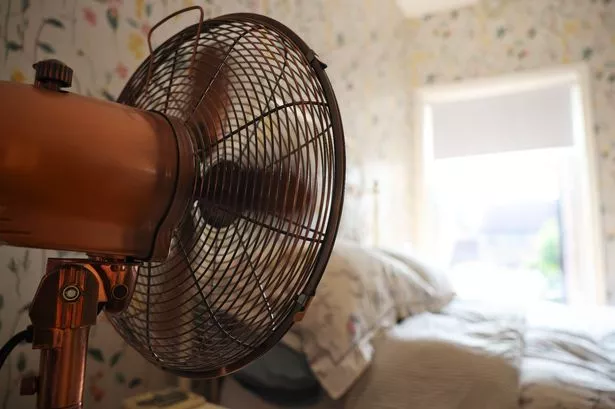
The Heavy-Hitter: The Pedestal Fan
The key advantage of a pedestal fan is its adjustable height and tilting head. This allows you to aim the airflow downwards at the perfect angle, hitting the wet spot with maximum force from an optimal distance. It combines the power of a traditional blade fan with superior directional control.
The Surprise Contender: The Ceiling Fan
For general drying after mopping a whole room, a ceiling fan can be surprisingly effective. It promotes overall room air circulation, helping the entire surface dry more evenly. Just make sure it’s running in the correct direction (counter-clockwise in summer to push air down). It’s not ideal for a concentrated spill, though.
Here’s a quick comparison to help you decide:
| Fan Type | Best For | Power (CFM) | Directionality | Footprint |
|---|---|---|---|---|
| Box Fan | Large, open areas | High | Low (Wide cone) | Medium |
| Tower Fan | Targeted strips, corners | Medium | High (Oscillating) | Small |
| Pedestal Fan | Specific spots, spills | High | Very High (Adjustable) | Medium |
| Ceiling Fan | General room drying | Varies | Low (Dispersed) | None |
How to Use a Fan to Dry a Wet Floor: A Step-by-Step Guide
Ready to put your fan to work? Following these steps will ensure you get the fastest, safest, and most effective results.
- Safety First! This is non-negotiable. Water and electricity are a dangerous combination. Before you do anything, ensure the fan’s cord and plug are completely dry. Place the fan on a dry section of the floor, far enough away that no splashes can reach it. Plug it into an outlet that is also far from the wet area.
- Prep the Area. A fan is for drying dampness, not a puddle. Use a mop or towels to soak up as much excess water as you can first. The less standing water the fan has to deal with, the quicker it will work.
- Positioning is Everything. Don’t just point the fan at the wet spot. For best results, place the fan a few feet away and angle it so the air blows across the surface of the water, not directly down into it. This “shearing” action is much more effective at whisking away moisture. If you’re using a fan with an oscillation feature, turn it on to cover a wider area.
- Crank Up the Speed. This isn’t the time for a gentle breeze. Set your fan to its highest setting to maximize air movement and speed up evaporation.
- Create Cross-Ventilation. This is the pro tip that makes a huge difference. Open a window or a door on the opposite side of the room. This gives the moist, humid air an escape route and allows fresh, dry air to be pulled in, supercharging the entire process. Without an escape route, you’re just moving humid air around the room.
“Many people overlook cross-ventilation, but it’s the key to efficient drying. You’re not just moving air; you’re replacing it. This simple step can cut your drying time in half and is crucial for preventing that musty smell from developing on porous surfaces like hardwood.”
– John Anderson, Certified HVAC Technician
Is It an Energy-Efficient Drying Solution?
In a word: absolutely. Compared to other drying methods like cranking up the heat or using a power-hungry dehumidifier, a standard electric fan is an incredibly energy efficiency champion. Most modern fans use between 50 and 100 watts of power on their highest setting. This means you can run a fan for several hours for just a few cents, making using a fan to dry a wet floor not only effective but also incredibly economical. It’s a small price to pay to get your room back faster and prevent potential water damage.
Frequently Asked Questions
How long does it take to dry a floor with a fan?
This depends on several factors: the size of the wet area, the type of flooring, the ambient humidity, and the fan’s power. However, using a fan can easily reduce drying time by 50-75%. A slightly damp floor after mopping might take 15-30 minutes, whereas a more significant spill could take an hour or more.
Can I use a fan with a heat setting to dry the floor faster?
We strongly advise against this. While heat does speed up evaporation, applying concentrated heat from a space heater can cause certain types of flooring, especially hardwood and laminate, to warp, crack, or discolor. Room-temperature air from a standard fan is the safest and most effective method.
Is using a fan to dry a wet floor safe for hardwood?
Yes, it’s one of the best methods for hardwood. The faster you remove moisture, the less time it has to seep between the planks and cause swelling or long-term damage. A fan’s gentle but persistent airflow is ideal.
Which fan setting is the best for drying a floor?
Always use the highest setting available. The goal is to maximize air movement to accelerate evaporation, so more power is always better in this scenario.
Will a fan prevent mold from growing after a water spill?
It can certainly help. Mold thrives in stagnant, damp conditions. By quickly drying the surface and the air, you eliminate the moisture that mold needs to grow. For major leaks, a fan is a critical first step, but you may also need a dehumidifier for a complete [home cooling and moisture solution].
Conclusion: Your Secret Weapon for a Dry Floor
So, the next time you’re faced with a wet floor, don’t just wait it out. Grab your trusty fan. We’ve seen that using a fan to dry a wet floor is more than just an old wives’ tale; it’s a scientifically sound, energy-efficient, and highly effective technique. By choosing the right type of fan, positioning it correctly, and ensuring good ventilation, you can reclaim your space in record time and protect your flooring from potential damage. It’s one of the simplest yet most powerful ways to put the principles of air circulation to work in your daily life.