I remember last summer like it was yesterday. The air was thick, heavy, and stubbornly still. I had this sleek, modern tower fan, a supposed upgrade from my old, wobbly pedestal fan. Yet, I was still sweating. It was just pushing hot air around, or so I thought. The truth is, I didn’t understand How To Use A Tower Fan Effectively. It’s not just about hitting the ‘on’ button; it’s about strategy, placement, and understanding the science of air movement. If you’ve ever felt that your tower fan isn’t living up to its potential, you’re in the right place. Let’s turn that stylish column of plastic into a powerful cooling ally.
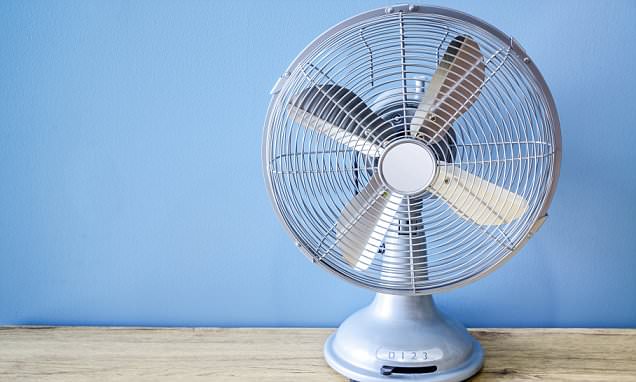
First, What Makes a Tower Fan Different?
Before we dive into the ‘how,’ let’s quickly touch on the ‘what.’ Unlike traditional bladed fans that create a broad, turbulent cone of air, a tower fan works differently. It uses an impeller (like a cylindrical, multi-bladed propeller) to draw air in from the side vents and push it out through a long, vertical column. This creates a more focused, consistent, and gentle breeze across a wider vertical area. Think of it less like a wind gust and more like a steady, flowing river of air. This design is what allows for its slim footprint and quieter operation, making it a favorite for bedrooms and offices.
The Golden Rule: Placement is Everything
If you take only one thing away from this guide, let it be this: a fan’s effectiveness is 90% placement. You can have the most expensive model on the market, but if it’s in the wrong spot, it’s just an expensive noise machine.
Create a Cross-Breeze for Maximum Impact
Your number one goal is to create air circulation, not just aim the fan at your face. The most powerful way to do this is by setting up a cross-breeze.
- Identify Your Air Sources: Locate windows and doorways. During cooler times of the day, like early mornings or late evenings, open windows on opposite sides of the room.
- Position Your Fan: Place your tower fan facing away from one of the open windows. Its job is to pull the cool, fresh air from outside and push it across the room.
- Expel Hot Air: If you have a second fan (even a small box fan), place it in the other window facing outward to push the hot, stale air out. This in-and-out system creates a cooling current that can drop the room’s temperature noticeably.
Partnering with Your Air Conditioner
This is the ultimate energy-saving hack. Your AC unit works hard to produce cold air, but that dense, cool air tends to sink and settle. A tower fan is the perfect partner to distribute it.
- Position: Place the tower fan a few feet away from your AC unit or air vent.
- Direction: Aim the fan’s airflow away from the AC and towards the main living area of the room. Use the oscillation feature.
- The Benefit: The fan will pick up the cold air and circulate it throughout the entire space. This prevents hot spots and allows you to raise your thermostat by a few degrees without sacrificing comfort. A higher thermostat setting means significant savings on your energy bill. According to the US Department of Energy, you can save up to 10% on cooling costs for each degree you raise the thermostat.
“People often think fans cool the air, but they actually cool people by accelerating the evaporation of sweat. By using a fan to circulate AC-cooled air, you’re getting the best of both worlds: lower ambient temperature and the wind chill effect.” – Dr. Elena Vance, Home Climate Specialist.
Nighttime Cooling Strategy
Sleeping in a stuffy room is miserable. A tower fan can be a lifesaver. Position it at the foot of your bed, angled so the breeze flows along the length of the bed. Use the oscillation feature for gentle, rhythmic airflow rather than a constant blast, which can be irritating overnight. Many modern tower fans have a ‘Sleep Mode’ that gradually reduces the fan speed, which is perfect for uninterrupted rest.
How to Use a Tower Fan Effectively by Mastering Its Settings
Beyond placement, the buttons on your fan are there for a reason. Let’s decode them for optimal use.
Oscillation: Your Best Friend
Oscillation is the feature that allows the fan to turn from side to side. Unless you are sitting directly in one spot and want a constant breeze, you should almost always have oscillation turned on. It’s the key to whole-room air circulation. It prevents one area from becoming an icebox while another remains stuffy.
Finding the Right Speed
- Low: Ideal for quiet operation in a bedroom overnight or to maintain gentle air circulation in a room that’s already relatively comfortable.
- Medium: The go-to setting for daily use in a living room or office. It provides a noticeable breeze without being disruptive.
- High: Best for quickly cooling down after coming in from outside or for creating a powerful cross-breeze on a very hot day. It will be louder and use more energy.
Special Modes
Many tower fans come with modes designed for specific situations.
- Natural Breeze Mode: This mode mimics a natural wind by varying the fan speed randomly. It’s great for creating a less monotonous and more organic feeling of airflow during the day.
- Sleep Mode: As mentioned, this typically pairs a quiet, low speed with a timer, sometimes reducing speed over time to help you fall asleep and stay comfortable.
Keeping Your Tower Fan Clean and Efficient
A dusty fan doesn’t just look bad; it’s an inefficient fan. Clogged vents and blades make the motor work harder, using more electricity and moving less air. Cleaning it every 2-4 weeks during heavy use is essential.
- Safety First: Always unplug the fan before cleaning.
- Exterior Wipe-Down: Use a soft, damp cloth to wipe down the outside casing.
- Vacuum the Vents: The intake and outtake grills are dust magnets. Use the brush attachment on your vacuum cleaner to thoroughly remove all visible dust and lint.
- Compressed Air (Optional): For stubborn dust inside the unit, take the fan outside and use a can of compressed air to blow the dust out from the inside. Never spray liquids into the fan’s housing.
- Check the Base: Dust can also accumulate in the oscillation base. Give it a quick wipe.
Comparing Fan Types
To understand why using your tower fan correctly is so important, it helps to see how it stacks up against other popular types.
| Feature | Tower Fan | Pedestal Fan | Box Fan |
|---|---|---|---|
| Footprint | Small, vertical | Medium, circular base | Square, can be bulky |
| Airflow | Vertical, wide sweep | Concentrated, circular | Wide, turbulent |
| Noise Level | Generally quiet | Can be noisy on high | Often the loudest |
| Safety | Bladeless design, safer | Exposed blades | Exposed blades |
| Features | Oscillation, remote, timer | Oscillation, tilt | Basic speed settings |
| Best For | Bedrooms, offices, small spaces | Large rooms, garages | Windows, workshops |
Frequently Asked Questions (FAQ)
Here are some common questions we get about making the most of these cooling devices.
Q: Can a tower fan actually cool down a room?
A: No, a fan does not lower the room’s temperature like an air conditioner. It cools you by creating a wind-chill effect, which helps sweat evaporate from your skin more quickly. Its primary function is air circulation, which makes the room feel cooler and more comfortable.
Q: How much electricity does using a tower fan consume?
A: Tower fans are incredibly energy-efficient. Most models use between 50 and 100 watts, which is significantly less than an air conditioner. Running a tower fan is often cheaper than powering a single old-fashioned light bulb.
Q: Is it safe to leave a tower fan on all night?
A: Yes, modern tower fans are designed for continuous operation and are generally safe to leave on overnight. Ensure the cord is not frayed and the fan is on a stable, flat surface. Using the timer feature is a great way to save energy while you sleep.
Q: Where is the worst place to put a tower fan?
A: Avoid placing a tower fan in a tight, enclosed corner where it can’t draw in air effectively. Also, never place it directly facing a wall, as this just bounces the air back and stifles circulation. Finally, keep it away from loose curtains or papers that could be sucked into the vents.
Q: How do I know if my tower fan is powerful enough for my room?
A: Check the fan’s CFM (Cubic Feet per Minute) rating. A higher CFM means it can move more air. For a standard 12×12 foot bedroom, a fan with a CFM of at least 500 is a good starting point. For larger living rooms, look for models with 1000 CFM or more.
Your Key to a Cooler Summer
A tower fan is more than just a summer accessory; it’s a tool for creating a more comfortable and energy-efficient home. By moving beyond simply turning it on and instead thinking strategically about placement, settings, and partnership with your home’s natural airflow, you can transform its performance. You are no longer just pushing air around; you are engineering a comfortable environment. Now that you know how to use a tower fan effectively, go unlock its true cooling power and enjoy a breezier, more pleasant space.