There’s nothing quite like the gentle hum of a fan on a sweltering summer afternoon. It’s the soundtrack of relief, a simple machine that makes life infinitely more comfortable. But as you switch it on for what feels like the hundredth day in a row, a thought might cross your mind: just How Long Do Electric Fans Last? It’s a great question. After all, this trusty appliance often works tirelessly for months on end. The answer isn’t as simple as a single number; it’s a mix of engineering, usage habits, and a little bit of care.
We’ve all seen them: the ancient, dusty fan in a grandparent’s attic that still whirs to life, or the sleek, new tower fan that conks out after just two seasons. The lifespan of your fan depends on a whole host of factors, from the quality of its motor to how often you clean its blades. In this guide, we’ll break down everything you need to know, helping you understand the longevity of your cooling companion and how you can help it live a long, breezy life.
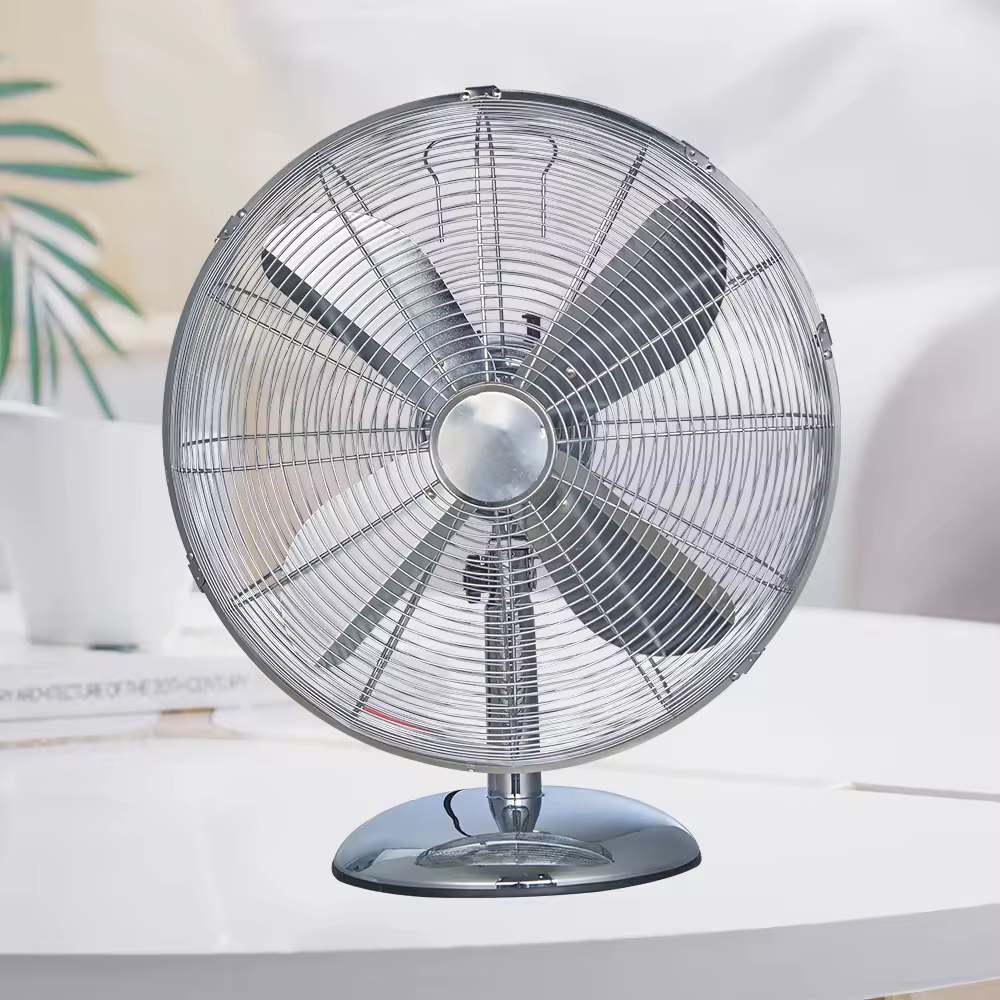
What Really Determines a Fan’s Lifespan?
At its core, an electric fan is a relatively simple device: a motor spins blades to create airflow. However, the quality and design of its components are what separate a fan that lasts a decade from one that barely makes it past its warranty.
The Heart of the Matter: The Motor
The motor is the engine of your fan. Its quality is the single biggest predictor of longevity. Most consumer fans use one of two types:
- Brushed Motors: These are common in cheaper, more basic fans. They work, but the internal brushes wear down over time, eventually leading to motor failure.
- Brushless DC (BLDC) Motors: Found in higher-end and “energy-efficient” models, these motors have fewer moving parts that wear out. They run cooler, quieter, and can last significantly longer.
A fan with a robust, well-sealed motor that’s protected from dust is destined for a longer life.
Blade Balance and Material
Ever seen a fan that wobbles violently? That’s often a sign of imbalanced blades. This not only creates an annoying noise but also puts immense strain on the motor and its bearings, drastically shortening its life.
- Metal Blades: Often found in more industrial or retro-style fans, they are durable but can bend. If they get bent out of shape, rebalancing them can be tricky.
- Plastic (ABS) Blades: The most common type. They are lightweight and less prone to getting bent, but cheap, brittle plastic can crack or warp over time, especially with exposure to sunlight.
Overall Build Quality
It’s the little things that count. A fan with a sturdy, heavy base is less likely to be knocked over and damaged. A well-designed grill is easier to remove for cleaning, which in turn helps the fan last longer. The quality of the wiring and switches also plays a crucial role. A flimsy power cord or a sticky oscillating switch are often the first things to fail.
“A fan’s lifespan is a direct reflection of its engineering integrity. A well-balanced system with a quality motor that dissipates heat effectively will outperform a poorly constructed unit every time, regardless of flashy features.” – Dr. Alistair Finch, Consumer Appliance Engineer
Do All Fan Types Have the Same Lifespan?
Not at all. The design and typical use case of each fan type have a big impact on how long do electric fans last. Let’s compare the most common types.
| Fan Type | Average Lifespan | Key Factors Influencing Lifespan |
|---|---|---|
| Pedestal Fan | 5-10 years | Motor quality, stability of the base, oscillating mechanism wear. |
| Box Fan | 2-5 years | Generally cheaper construction, motor prone to dust buildup. |
| Tower Fan | 4-7 years | More complex internal parts, dust accumulation can be a major issue. |
| Ceiling Fan | 10-15+ years | Robust motors, less physical interaction, protected from knocks. |
- Box Fans: These are the workhorses of the fan world, but they’re built for affordability, not longevity. Their open design makes them highly susceptible to dust and debris, which can clog the motor.
- Pedestal Fans: A step up from box fans, a good pedestal fan can last for many years. The oscillating mechanism is a common point of failure, so treating it gently is key.
- Tower Fans: Their slim design is great for style and space, but it also means more intricate internal parts. Dust can be a real killer for tower fans, as cleaning them can be more difficult.
- Ceiling Fans: These are the marathon runners. They have powerful, durable motors and are generally left undisturbed. With minimal maintenance, a quality ceiling fan can easily last over a decade.
How to Extend the Life of Your Electric Fan
The good news is that you have a lot of control over your fan’s lifespan. A little bit of regular maintenance can easily add years to its operational life. Think of it like changing the oil in your car—it’s a simple task that prevents major problems down the road.
The Golden Rule: Keep It Clean
Dust is the number one enemy of an electric fan. It clogs vents, insulates the motor causing it to overheat, and throws the blades off balance. A thorough cleaning every 4-6 weeks during heavy use is crucial.
Step-by-Step Cleaning Guide:
- Safety First! Always unplug the fan from the wall before you do anything else.
- Remove the Grill: Most fans have clips or a few screws holding the front grill in place. Carefully remove it. Some fans allow you to remove the back grill as well.
- Wipe the Blades: Use a damp cloth with a bit of mild soap to wipe down each blade individually. Get all the caked-on dust off. Dry them thoroughly.
- Clean the Grills: Wash the grills in a sink with soapy water. An old toothbrush can be great for getting into the tight spaces. Let them air dry completely.
- Blast the Motor: The motor housing usually has vents. Use a can of compressed air or a vacuum cleaner with a brush attachment to blow or suck the dust out of the motor area. Never spray liquid directly onto the motor.
- Reassemble: Once everything is bone dry, put it all back together.
Other Pro Maintenance Tips
- Give It a Break: Running a fan 24/7 puts a lot of wear on the motor. Turn it off when you leave the room to let it cool down.
- Proper Storage: When winter comes, don’t just shove your fan in a dusty garage. Clean it thoroughly and then store it in its original box or cover it with a large plastic bag to keep dust out.
- Listen for Problems: If you hear a new rattling, grinding, or clicking sound, investigate it. It could be a loose screw or a blade hitting the grill—small problems that can become big ones if ignored.
- Check the Cord: Periodically inspect the power cord for any frays or damage. A damaged cord is a safety hazard and should be repaired or replaced.
Quick Maintenance Checklist
- [ ] Monthly: Wipe down the exterior.
- [ ] Every 4-6 Weeks (during use): Deep clean blades, grill, and motor vents.
- [ ] Every 6 Months: Check for loose screws and listen for unusual noises.
- [ ] Annually (before storage): Perform a full deep clean and inspect the power cord.
Telltale Signs Your Fan is About to Give Up the Ghost
Even with the best care, all appliances eventually reach the end of their life. Here are some clear signs that your fan might be on its last legs and it’s time to start looking for a replacement.
- Strange Noises: A constant grinding, rattling, or high-pitched whining sound that you can’t fix by tightening screws is often a sign of failing motor bearings.
- Reduced Airflow: If the fan seems to be spinning much slower than it used to, even on the highest setting, the motor is likely wearing out and losing power.
- The Wobble of Doom: A severe wobble that can’t be fixed by cleaning the blades indicates a problem with the motor shaft or internal balance. It’s both inefficient and a potential safety risk.
- Overheating and Burning Smells: If the motor housing feels excessively hot to the touch or you smell something like burning plastic, unplug it immediately. This is a serious fire hazard and a definitive sign that the fan is done.
- Doesn’t Start Reliably: Do you have to give the blades a little push to get them going? This is a classic symptom of a failing motor capacitor or worn-out motor.
Frequently Asked Questions
Is it safe to leave an electric fan on all night?
Generally, yes, it is safe for modern, well-maintained fans. However, ensure it’s on a stable surface and that the cord is not a tripping hazard. An overheated motor is the main risk, so if your fan is old or shows signs of wear, it’s best not to leave it unattended for long periods.
How much electricity does an electric fan use?
Surprisingly little! A standard pedestal fan uses about 50-60 watts on its highest setting. Compared to an air conditioner, which can use over 1,500 watts, fans are an incredibly energy-efficient cooling solution for circulating air.
Why is my fan suddenly making a clicking noise?
The most common cause is a blade hitting the grill. Unplug the fan and check if the grill is dented or if a blade is out of alignment. It could also be a loose component, so gently check if the blade cap and grill are screwed on tightly.
Can a dirty fan make me sick?
Yes, it can. A fan with dusty blades will circulate that dust, along with pollen and other allergens, around the room. This can trigger allergies and respiratory issues for sensitive individuals. Regular cleaning is key for both the fan’s health and yours.
What’s a good benchmark for how long do electric fans last before replacement?
For a fan used heavily every summer, a good rule of thumb is to start considering a replacement around the 7-8 year mark. While it might still work, its efficiency will likely have decreased, and the risk of motor failure increases. For a high-quality ceiling fan, you can expect 15 years or more.
The Final Breeze
So, how long do electric fans last? As we’ve seen, the answer ranges from a couple of summers for a cheap box fan to well over a decade for a premium ceiling fan. The initial quality and design lay the foundation, but your maintenance habits are what truly build its legacy.
By choosing a fan with a quality motor and solid construction, and by committing to a simple cleaning routine, you can ensure your trusty cooling companion serves you faithfully for many hot seasons to come. It’s a small investment of time that pays off in comfort, reliability, and money saved. What’s the oldest fan you have running in your home? We’d love to hear your stories about those timeless appliances that just keep on spinning.