Let’s be real, there’s nothing quite like the suffocating, sticky feeling of a hot room with no air movement. We’ve all been there. That’s why this comprehensive Electric Fan Buying Guide is your ticket to a cooler, more comfortable space. Forget the guesswork and overwhelming options. We’re going to break down everything you need to know, from the nitty-gritty tech specs to the simple, practical advice that will help you find the perfect fan to beat the heat. Whether you’re a light sleeper needing a silent breeze or you’re trying to circulate air in a huge living room, you’re in the right place.
A Quick Breeze Through History and How Fans Work
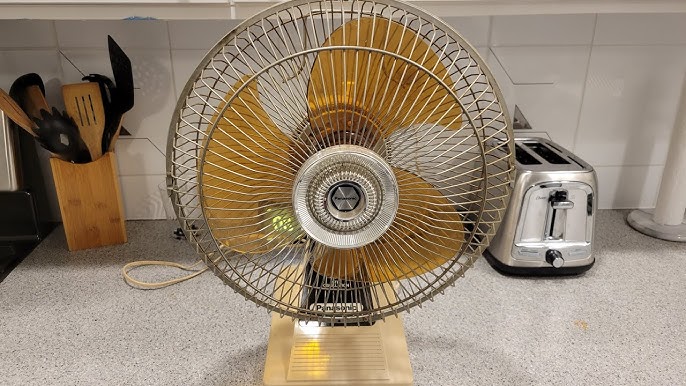
Ever wonder how these life-savers came to be? The first electric fan popped up in the late 1880s, a far cry from the sleek, quiet models we have today. But the basic principle remains brilliantly simple: an electric motor turns a set of angled blades. These blades don’t cool the air, but they create airflow through convection. This moving air helps the sweat on your skin evaporate faster, which is your body’s natural cooling mechanism. So, a fan makes you feel cooler, which is all that matters on a sweltering day. It’s a simple yet effective cooling solution that’s been a household staple for over a century.
What Are the Different Types of Electric Fans?
Walking into an electronics store can feel overwhelming with the sheer variety of fans. Each type is designed for a specific purpose and space. Let’s demystify them.
Pedestal Fans (Stand Fans)
These are the classic, adjustable-height fans. They’re versatile, powerful, and great for targeting airflow exactly where you need it, whether you’re on the couch or in bed.
- Pros: Highly adjustable height and direction, good for large rooms, often have strong airflow.
- Cons: Can be bulky and take up significant floor space, might not fit with all decor styles.
Tower Fans
Sleek, modern, and space-saving, tower fans are a popular choice for bedrooms and offices. They oscillate internally, pushing air out through a tall, narrow vent.
- Pros: Small footprint, modern aesthetic, generally quieter than pedestal fans, often come with features like remotes and timers.
- Cons: Airflow can feel less direct or powerful than a pedestal fan, can be more difficult to clean.
Box Fans
Simple, no-frills, and affordable. Box fans are workhorses designed to move a large volume of air. I remember my college dorm room; we’d place a box fan in the window at night to pull in the cool evening air. It was a game-changer.
- Pros: Inexpensive, powerful air circulation, lightweight and portable.
- Cons: Can be very loud, basic design with few features, not the safest around small children or pets.
Table Fans (Desk Fans)
The personal cooling champion. Perfect for your desk, nightstand, or kitchen counter to provide a focused stream of air.
- Pros: Compact, portable, low energy consumption, ideal for personal space.
- Cons: Limited range, not suitable for cooling an entire room.
Ceiling Fans
A permanent fixture that excels at whole-room air circulation. In the summer, the blades push air down to create a cooling breeze. In the winter, you can reverse the direction to help circulate warm air that has risen to the ceiling.
- Pros: Excellent for large spaces, saves floor space, energy-efficient, can be used year-round.
- Cons: Requires installation, higher upfront cost, cleaning can be a chore.
Comparison of Common Fan Types
| Fan Type | Best For | Average Price | Noise Level | Key Feature |
|---|---|---|---|---|
| Pedestal Fan | Large rooms, targeted cooling | $$ | Medium – High | Adjustable height |
| Tower Fan | Bedrooms, modern spaces | $$$ | Low – Medium | Space-saving design |
| Box Fan | Maximum air circulation | $ | High | High power-to-cost ratio |
| Table Fan | Personal cooling, desks | $ | Low – Medium | Portability |
| Ceiling Fan | Whole-room circulation | $$$$ | Low | Permanent installation |
The Ultimate Electric Fan Buying Guide: How to Choose
Now for the main event. Choosing the right fan isn’t just about picking a style. Consider these factors to ensure you get the perfect match for your needs.
How Do I Match Fan Size to Room Size?
The most important factor is a fan’s power, measured in CFM (Cubic Feet per Minute). This tells you how much air the fan can move. A higher CFM means more powerful airflow, suitable for a larger room.
- Small Rooms (up to 150 sq. ft.): A good table fan or a small tower fan will do the trick. Look for a CFM of around 500-1000.
- Medium Rooms (150 – 300 sq. ft.): A pedestal fan or a robust tower fan is a great choice. Aim for a CFM of 1000-2000.
- Large Rooms (300+ sq. ft.): You’ll need a powerful pedestal fan, a large box fan, or ideally, a ceiling fan to get proper air circulation. Look for a CFM of 2000+.
“The biggest mistake people make is buying a fan that’s too small for their space. It’s like trying to cool a gymnasium with a hairdryer. Matching the CFM to your room’s square footage is the single most effective way to ensure you’ll actually feel cooler.”
— John Anderson, HVAC Engineer
What About Noise Level?
A fan that sounds like a jet engine taking off is the last thing you want in your bedroom. Noise levels are measured in decibels (dB).
- For bedrooms or offices: Look for fans rated under 40 dB on their lowest setting. Many tower fans and DC motor fans excel here.
- For living rooms or kitchens: A noise level of 40-60 dB is generally acceptable.
- For garages or workshops: Noise is less of a concern, so a powerful, louder box fan is perfectly fine.
Is Energy Efficiency Important?
Absolutely! While fans use significantly less electricity than air conditioners, an energy-efficient model can still save you money on your utility bills. Check for the wattage (W) rating – the lower, the better. Fans with a DC motor are typically more energy-efficient and quieter than those with a standard AC motor. In some regions, look for certifications like the Energy Star label.
What Smart Features Should I Look For?
Modern fans come loaded with convenient features that can make your life easier.
- Remote Control: A must-have for changing settings from your bed or couch.
- Timer: Set the fan to turn off automatically after you’ve fallen asleep.
- Multiple Speed Settings: Allows you to customize the airflow from a gentle breeze to a powerful gust.
- Natural Breeze Mode: This feature varies the fan speed to mimic the feeling of a natural, outdoor wind.
Keep it Cool: Fan Maintenance and Cleaning
A dirty fan doesn’t just look bad; it also performs poorly and can circulate dust and allergens around your home. Regular maintenance will extend its life and keep it running efficiently.
How to Clean Your Fan (Safely!):
- Unplug it! This is the most important step. Never attempt to clean a fan while it’s connected to power.
- Disassemble the Grille: Most fans have a front grille that can be unclipped or unscrewed.
- Wipe the Blades: Use a damp cloth with a bit of mild soap to carefully wipe down each blade. For stubborn dust, an old toothbrush can be helpful.
- Clean the Grille: Wash the front and back grilles in warm, soapy water. Make sure they are completely dry before reassembling.
- Wipe the Body: Use a damp cloth to clean the motor housing and base. Avoid getting any water into the motor or buttons.
- Reassemble: Once everything is dry, put it all back together.
Quick Maintenance Checklist:
- [ ] Monthly: Wipe down the exterior and blades.
- [ ] Quarterly: Do a deep clean (disassemble and wash grilles).
- [ ] Annually: Check for any loose screws or wobbly parts. Listen for unusual noises that might indicate a motor issue.
Common Fan Problems and Easy Fixes
- Fan Won’t Turn On: Check that it’s plugged in and the outlet is working. Some fans have an internal fuse that may have blown.
- Wobbly or Rattling: The blades might be unbalanced or a screw might be loose. Unplug the fan and check that all parts are tightened securely. Dust buildup on one blade can also cause an imbalance.
- Weak Airflow: This is almost always due to dirty blades and grilles. A thorough cleaning will usually restore its power.
Frequently Asked Questions (FAQ)
How much electricity does an electric fan use?
An electric fan uses far less energy than an air conditioner. An average pedestal fan on a medium setting uses about 50-60 watts of power, while a central AC unit can use over 3,500 watts. Running a fan is very cost-effective.
Can I leave a fan on all night?
Yes, it’s generally safe to leave a modern fan on all night, especially if it has a timer feature. However, the constant airflow can sometimes dry out your skin, eyes, or sinuses. If you experience this, try aiming the fan so it circulates air in the room rather than blowing directly on you.
What’s the difference between a fan and an air conditioner?
A fan circulates existing air to create a wind-chill effect, making you feel cooler. An air conditioner actually removes heat and humidity from the air, lowering the room’s ambient temperature.
Which type of fan is the quietest?
Generally, tower fans and fans with DC motors are the quietest options, making them the best choice for bedrooms and other quiet spaces. Always check the decibel (dB) rating before buying.
How can a fan help in winter?
By reversing the direction of a ceiling fan (so the blades spin clockwise), it will pull cold air up and push the warm air that has collected near the ceiling down into the room. This helps to distribute heat more evenly and can make your heating system more efficient.
The Final Word on Your Cooling Companion
Choosing the right fan doesn’t have to be a chore. By focusing on your room size, desired noise level, and the features that matter most to you, you can easily find the perfect cooling solution. This electric fan buying guide was designed to empower you with the knowledge to make a smart, confident purchase. A good fan is more than just an appliance; it’s an investment in your comfort. Now go out there and find the fan that will turn your hot, stuffy space into a cool, breezy oasis.