We’ve all been there. It’s the middle of a sweltering afternoon, the air is thick and still, and you feel like you’re melting into your couch. In moments like these, effective air circulation isn’t a luxury; it’s a necessity. While air conditioning is a powerful solution, sometimes you just need a versatile, energy-efficient breeze. That’s where finding the Best Pedestal Fan becomes a game-changer, transforming a stuffy room into a comfortable oasis. But with so many options out there, how do you pick the right one? Don’t worry, we’re here to walk you through everything, from the nitty-gritty tech specs to the simple features that make all the difference.
What Exactly Is a Pedestal Fan, Anyway?
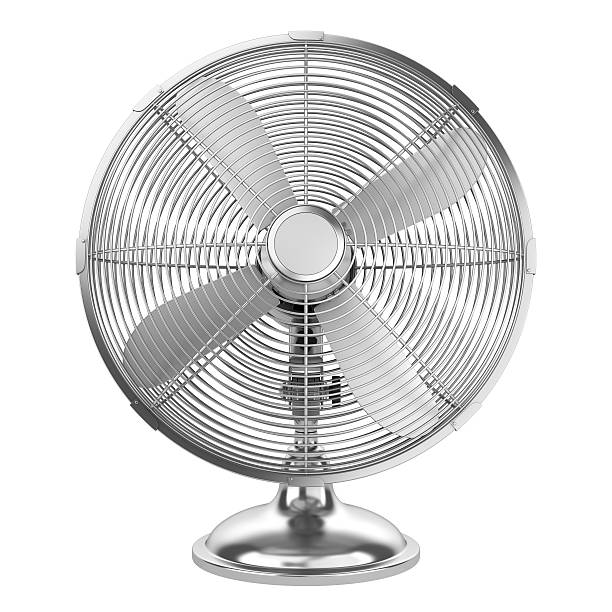
Before we dive into choosing the best pedestal fan, let’s get on the same page. A pedestal fan, sometimes called a stand fan, is that classic, recognizable fan with a circular head full of blades, mounted on an adjustable pole. Its defining features are its height adjustability and its ability to oscillate (swivel from side to side), which allows it to cool a much larger area than a stationary fan.
Unlike a squat box fan that sits on the floor or a sleek tower fan that pushes air vertically, the pedestal fan’s design allows you to aim its powerful airflow precisely where you need it—whether that’s over your bed, across the living room, or throughout your home office.
How to Choose the Best Pedestal Fan for Your Space
Finding your perfect match isn’t about grabbing the first one you see at the store. It’s about matching the fan’s capabilities to your specific needs. Let’s break down the key factors to consider.
Room Size and Fan Power (CFM)
Ever wonder why some fans feel like a hurricane while others barely stir the air? The magic number you’re looking for is CFM, which stands for Cubic Feet per Minute. Simply put, CFM measures the volume of air a fan can move. The higher the CFM, the more powerful the airflow.
- Small Rooms (Bedrooms, Offices ~150 sq. ft.): Look for a fan with a CFM rating of around 500-1000.
- Medium Rooms (Living Rooms, Master Bedrooms ~300 sq. ft.): A CFM of 1000-2000 is a great target.
- Large Rooms (Open-Plan Areas, Workshops >400 sq. ft.): You’ll want a powerful model, likely over 2000 CFM, to ensure proper air circulation.
While not all manufacturers list CFM, many reputable brands do. It’s a far more reliable indicator of performance than just looking at the fan’s diameter.
The Sound of Silence: Noise Levels (dB)
I remember one summer trying to sleep with a fan that sounded like a small jet engine taking off. It was a nightmare. A fan’s noise level, measured in decibels (dB), is crucial, especially for bedrooms or quiet workspaces.
- Whisper Quiet (Under 40 dB): Ideal for light sleepers and quiet offices.
- Moderate (40-55 dB): A good balance for general living spaces. It provides a bit of white noise without being disruptive.
- Loud (Over 55 dB): These are typically high-power industrial fans, best suited for garages or workshops where noise isn’t a primary concern.
“A significant portion of a fan’s noise profile comes from the blade design. Advanced, aerodynamic blades can move more air with less turbulence, resulting in a quieter, more pleasant experience.” – John Anderson, HVAC Engineer
Many of the best pedestal fan models now use DC motors, which are not only more energy-efficient but also significantly quieter than traditional AC motors.
Features That Genuinely Make Life Easier
Modern pedestal fans come with a host of features. Here are the ones that actually add value and convenience to your daily life:
- Remote Control: A non-negotiable for many. Being able to adjust the speed or oscillation from your bed or couch is pure bliss.
- Timer Function: Perfect for falling asleep. You can set the fan to turn off automatically after a few hours, saving energy and preventing you from waking up cold in the middle of the night.
- Multiple Speed Settings: Look for at least three speeds (low, medium, high). Premium models may offer more granular control with five or even twelve settings.
- Special Wind Modes: Some fans offer “Natural Breeze” mode, which mimics the outdoors by varying the fan speed, or a “Sleep” mode that gradually reduces the speed over time.
- Wide Oscillation Range: A standard fan might swing 90 degrees, but some can cover a wider 120-degree arc, which is fantastic for large, open rooms.
Energy Efficiency: Cool Comfort Without the High Bills
A fan is much cheaper to run than an air conditioner, but costs can still add up. The key metric here is wattage. A lower wattage means less electricity consumption. As mentioned, fans with DC (Direct Current) motors are the champions of efficiency, often using up to 70% less energy than their AC (Alternating Current) counterparts. While they might have a slightly higher upfront cost, a DC-powered best pedestal fan can save you money on your electricity bill in the long run.
Pedestal Fans vs. The Competition: A Quick Showdown
How does a pedestal fan stack up against other popular cooling solutions? Let’s compare.
| Feature | Pedestal Fan | Tower Fan | Box Fan |
|---|---|---|---|
| Airflow Pattern | Focused, powerful, directable | Wide, vertical, less intense | Broad, non-directional |
| Footprint | Moderate, requires some floor space | Small, slim, corner-friendly | Bulky, sits low on the floor |
| Height Adjustability | Excellent | None | None |
| Oscillation | Standard (often 90° or more) | Standard | None |
| Noise Level | Varies (quiet DC to loud AC) | Generally quiet | Can be quite loud |
| Best For | All-purpose, targeted cooling | Bedrooms, style-conscious spaces | Basic, no-frills air moving |
Getting the Most Out of Your Fan: Pro Tips
Owning the best pedestal fan is one thing; using it smartly is another.
Optimal Placement for Maximum Air Circulation
Don’t just point the fan directly at yourself (though it feels great!). For whole-room cooling, place the fan facing a wall. This bounces the air around, creating a gentle, room-wide circulation. If you have an air conditioner, position the fan to help distribute the cool air from the AC unit more evenly throughout the space. On cooler nights, you can even place it facing an open window to draw in cool air from outside.
A Simple Cleaning and Maintenance Checklist
A dusty fan is an inefficient fan. Dust buildup on the blades can reduce airflow and circulate allergens. Clean it every 2-4 weeks during peak season.
- Unplug the Fan: Safety first! Always disconnect the fan from the power source before cleaning.
- Open the Grille: Most fans have clips or a small screw that allows you to remove the front grille.
- Wipe the Blades: Use a damp cloth with a little mild soap to wipe down each blade. Dry them thoroughly.
- Clean the Grilles: You can wash the plastic grilles in the sink or wipe them down. Make sure they are completely dry before reassembling.
- Vacuum the Motor Housing: Use a vacuum with a brush attachment to gently remove dust from the vents on the motor housing at the back.
- Reassemble: Put it all back together, and you’re ready to go!
Frequently Asked Questions (FAQ)
What is the ideal CFM for the best pedestal fan in a living room?
For a standard living room (around 300 square feet), a pedestal fan with a CFM rating between 1000 and 2000 will provide excellent air circulation without feeling overwhelming.
Are DC motor pedestal fans really better?
Yes, in most cases. DC motor fans are significantly quieter, use far less electricity (saving you money), and often offer more speed settings for finer control over the airflow. While their initial cost might be higher, their long-term benefits are substantial.
How often should I clean my pedestal fan?
During periods of heavy use, like in the summer, it’s a good idea to clean your fan every 2-4 weeks. If it’s used less frequently, a cleaning every 1-2 months should suffice to keep it running efficiently and prevent dust buildup.
Can a pedestal fan help lower my electricity bill?
Absolutely. Using a fan allows you to raise your thermostat by a few degrees without sacrificing comfort. This “wind chill” effect makes you feel cooler, allowing your more expensive air conditioning unit to run less often, which can lead to significant savings.
What’s the difference between a pedestal fan and a stand fan?
There is no real difference! The terms “pedestal fan” and “stand fan” are used interchangeably to describe the same type of fan: one with a head, blades, and an adjustable-height stand.
The Final Breeze
Choosing a fan might seem like a simple task, but putting a little thought into it can drastically improve your comfort at home. By understanding concepts like CFM and decibels, and by focusing on features that truly fit your lifestyle, you can move beyond a generic “good enough” fan. You can find the best pedestal fan that quietly and efficiently keeps your space feeling fresh and breezy. So take these tips, find the perfect fan for your home, and get ready to enjoy a much cooler, more comfortable summer.