Let’s be real, there’s nothing quite like the misery of a stuffy, sweltering room in the middle of a heatwave. You toss, you turn, and you dream of a cool breeze. So, you head online, and the first place many of us look is Amazon. But a quick search reveals a dizzying array of options. That’s where a look at the Amazon Best Selling Fans can help cut through the noise. These are the models that hundreds, sometimes thousands, of people have bought, tested, and rated. But what makes a fan a bestseller, and more importantly, how do you pick the right one for you from that popular list?
This guide is your personal roadmap. We’re going to break down what separates the champs from the chumps, explore the different types of fans you’ll encounter, and give you the practical knowledge to choose a cooling solution that will make your home an oasis of comfort. Forget the jargon and confusing specs; we’re talking real-world advice to help you find your perfect breeze.
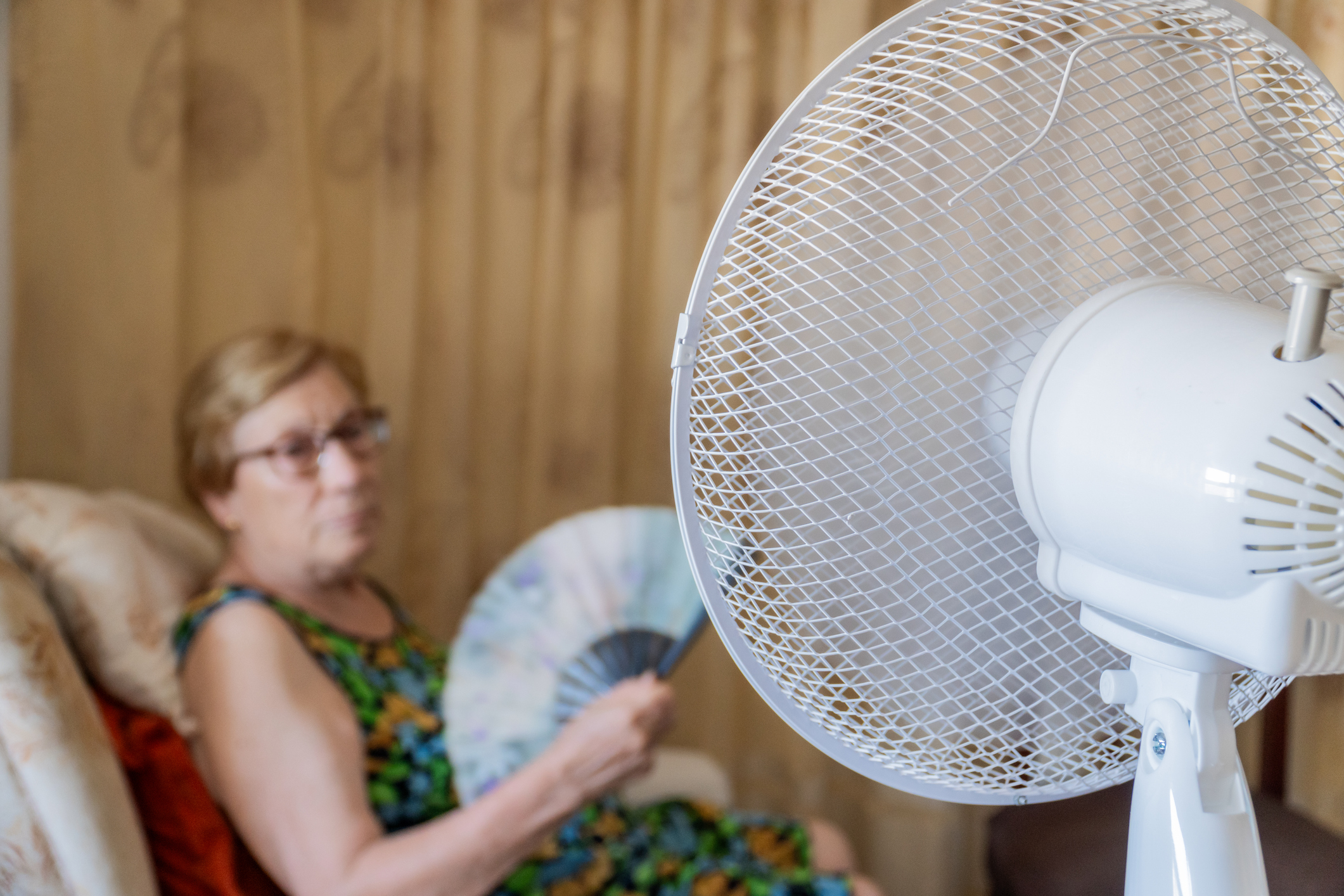
What Really Makes a Fan an Amazon Best Seller?
Ever wonder why one particular fan skyrockets to the top of the charts? It’s not just clever marketing. The amazon best selling fans typically excel in a few key areas that resonate with a wide range of customers. It’s a blend of performance, practicality, and perceived value.
Raw Cooling Power (CFM)
This is the big one. A fan’s primary job is to move air. This is measured in CFM (Cubic Feet per Minute). The higher the CFM, the more air it can circulate. The bestsellers often offer impressive CFM for their size, providing that satisfying, room-cooling gust of wind people crave.
Whisper-Quiet Operation
I remember one summer trying to sleep with a fan that sounded like a small jet engine taking off. It was a nightmare. A top-selling fan, especially for bedrooms, must be powerful and quiet. Manufacturers have invested heavily in blade design and motor technology to reduce noise, and customer reviews will quickly call out any fan that’s too loud. The sweet spot is a gentle, soothing hum that provides white noise without being disruptive.
Smart Features and Convenience
In today’s connected world, convenience is king. Features that were once luxuries are now common among the bestsellers:
- Remote Controls: No one wants to get out of bed to change the fan speed.
- Timers: Set it to turn off after you’ve fallen asleep to save energy.
- Multiple Speed Settings & Modes: Features like “Natural Wind” or “Sleep Mode” that vary the airflow are incredibly popular.
Energy Efficiency
With rising electricity costs, a fan that keeps you cool without burning a hole in your wallet is a huge plus. The most popular models are often energy-efficient, using brushless DC motors or having Energy Star certifications, which signals to buyers that they’re making a smart long-term investment.
The Main Players: A Quick Tour of Fan Types
As you browse the amazon best selling fans, you’ll notice they fall into a few distinct categories. Each has its own strengths, perfectly suited for different spaces and needs.
The Workhorse: Pedestal Fans
This is the classic, adjustable-height fan you probably grew up with. They are fantastic for covering large areas, like living rooms or master bedrooms, thanks to their powerful motors and wide oscillation range. They’re all about maximum air circulation.
The Modernist: Tower Fans
Sleek, stylish, and space-saving, tower fans are a favorite for modern apartments and offices. They oscillate internally and distribute air vertically, creating a wider, less direct breeze. They often come packed with features and are generally safer around small children and pets due to their bladeless design.
According to Sarah Jenkins, an appliance design engineer, “People often just buy the biggest fan, but the choice should be about lifestyle. A tower fan’s gentle, widespread breeze is ideal for a living room where multiple people are sitting, while a powerful, focused pedestal fan is perfect for a home gym or workshop.”
The Budget King: Box Fans
Simple, no-frills, and incredibly effective. Box fans are champions of moving a massive amount of air for a very low price. They’re not the prettiest or the quietest, but if your goal is pure, unadulterated air movement (like airing out a room or creating a cross-breeze with a window), they are unbeatable.
Bảng trống.How to Choose Your Perfect Amazon Best Selling Fan
Alright, you know the types and what makes them popular. Now, let’s get personal. How do you choose the right one for your space? Answering a few simple questions will narrow it down instantly.
What’s the Size of Your Room?
This is the most critical factor. Using a powerhouse fan in a tiny office is overkill, and a small desk fan will do nothing in a large living room.
- Small Rooms (up to 150 sq. ft.): A desk fan, small tower fan, or a Vornado-style air circulator will do the trick.
- Medium Rooms (150-300 sq. ft.): A standard tower fan or a 16-inch pedestal fan is a great choice.
- Large Rooms (300+ sq. ft.): Look for a high-CFM pedestal fan, a large tower fan, or even a powerful box fan to ensure proper air circulation.
How Important is Noise Level?
Think about where you’ll use the fan.
- For the Bedroom: Noise level is paramount. Look for fans specifically marketed as “quiet” or “silent,” and check the reviews for customer feedback on noise at low speeds. A fan with a DC motor is often significantly quieter.
- For a Living Room or Office: A moderate noise level is usually acceptable. You just don’t want it to drown out conversations or the TV.
- For a Garage or Workshop: Noise is likely not a concern, so you can prioritize maximum power.
What Features Will You Actually Use?
It’s easy to get wowed by a fan with 12 speeds, Wi-Fi connectivity, and an air-purifying function. But will you use them?
- The Basics: At a minimum, look for multiple speed settings and oscillation.
- The Essentials for Convenience: A remote control and a timer are game-changers for everyday use, especially in the bedroom.
- The Nice-to-Haves: Smart home integration (Alexa/Google Assistant), natural wind modes, and an auto-dimming display are great perks but not essential for a good cooling experience.
Pro Tips: Keeping Your Fan in Top Shape
You’ve found the perfect fan! Now, let’s make sure it lasts and performs at its best for years to come. A little maintenance goes a long way.
Your Simple Cleaning Guide
A dusty fan doesn’t just look bad; it circulates dust around the room and runs less efficiently. Clean it at least once a season.
- Safety First! Always unplug the fan before you do anything.
- Remove the Grill: Most fans have clips or screws that let you easily remove the front grill.
- Wipe the Blades: Use a damp cloth with a little mild soap to wipe down each blade. Dry them thoroughly.
- Clean the Grill: Wash the grill in the sink with soap and water. Let it dry completely.
- Vacuum the Vents: Use a brush attachment on your vacuum cleaner to suck dust out of the motor housing and rear vents.
- Reassemble: Put it all back together, and you’re good to go!
Strategic Placement for Maximum Cooling
Where you put your fan makes a huge difference. For the best cooling solution, don’t just point it at yourself. To cool an entire room, create a cross-breeze by placing the fan facing an open window on the opposite side of the room. This will pull in cool air from outside and push the hot, stale air out. On a hot day, if you have air conditioning, use the fan to help circulate the cool air from the AC unit throughout the house.
Frequently Asked Questions
How much electricity does one of the amazon best selling fans use?
It varies, but most modern fans are very energy-efficient. A typical pedestal or tower fan on a medium setting uses between 30 and 60 watts of power, which is significantly less than an air conditioner. Many best-selling models are even more efficient.
Is a tower fan or a pedestal fan better?
Neither is universally “better”; it depends on your needs. Pedestal fans are generally more powerful and better for circulating air in a large, open space. Tower fans are more stylish, have a smaller footprint, and are often considered safer and quieter, making them great for bedrooms and living rooms.
What does CFM mean for a fan?
CFM stands for Cubic Feet per Minute. It’s the standard measurement of airflow volume. Simply put, a higher CFM number means the fan can move more air, making it more effective at cooling a larger area.
How often should I clean my electric fan?
For optimal performance and air quality, it’s a good idea to give your fan a thorough cleaning at the beginning and end of the season you use it most. If you live in a dusty area or run it year-round, cleaning it every 1-2 months is recommended.
Can I safely leave a fan on all night?
Yes, for the most part, modern fans are designed to run for extended periods. However, ensure the fan is on a stable surface and that the cord is not frayed or damaged. Using a timer to have it shut off after a few hours is a great way to save energy and give the motor a rest.
Your Cool Conclusion
Navigating the world of amazon best selling fans doesn’t have to be overwhelming. By understanding the fundamentals of what makes a fan great—powerful yet quiet performance, useful features, and the right design for your space—you can confidently choose a model that will transform your home from a heat trap into a cool, comfortable retreat. Remember, the best fan isn’t the one with the most bells and whistles; it’s the one that perfectly fits your room, your lifestyle, and your need for a refreshing breeze on a hot day.