Let’s be honest, there’s nothing worse than tossing and turning in a hot, stuffy bedroom. You crack a window, but the air is still. You turn on a fan, but suddenly it sounds like a jet engine is preparing for takeoff next to your bed. The struggle is real. Finding the Best Quiet Fan For Sleeping is more than a luxury; it’s a critical mission for anyone who values a good night’s rest. It’s about striking that perfect balance between a gentle, cooling breeze and a peacefully silent environment. If you’re tired of choosing between sweating and suffering through a racket, you’ve come to the right place.
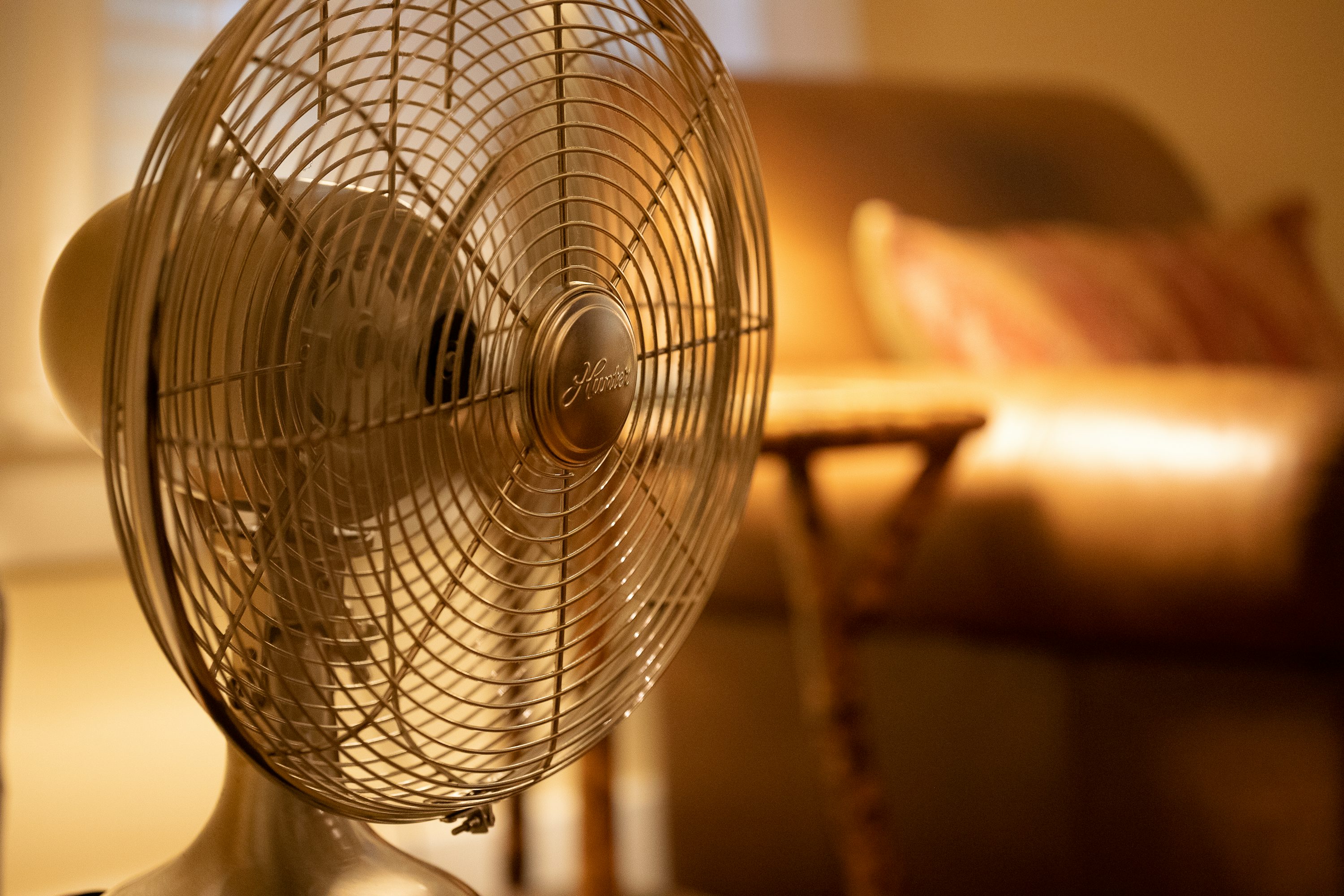
Why a Quiet Fan is a Game-Changer for Your Sleep
You might think any old fan will do, but the noise it produces can seriously mess with your sleep cycle. Even if you don’t fully wake up, constant, disruptive noise can pull you out of deep, restorative sleep. This is where the magic of a whisper-quiet fan comes in.
A truly quiet fan often produces a gentle, consistent hum known as white noise. Unlike the jarring clatter of an old, unbalanced fan, this sound can actually improve sleep by masking sudden noises like a car door slamming or a dog barking. It creates a tranquil sonic blanket for your bedroom.
“The ideal auditory environment for sleep is one of consistency. A low, steady sound, like that from a high-quality quiet fan, can drown out disruptive external noises, leading to deeper and more uninterrupted sleep.” – Dr. Alistair Finch, Sleep Science Researcher
What Makes a Fan Quiet? The Tech Behind the Hush
Ever wondered why some fans are incredibly quiet while others are annoyingly loud? It’s not magic; it’s all about engineering. Understanding a few key concepts will turn you into a savvy shopper.
AC vs. DC Motors: The Silent Revolution
This is the single biggest factor in a fan’s noise level.
- AC (Alternating Current) Motors: This is the old-school technology. It’s reliable and cheap to produce, but it’s often less energy-efficient and generates more noise and vibration due to the way it operates.
- DC (Direct Current) Motors: This is the modern champion of silence. DC motors are significantly quieter, more energy-efficient (often using up to 70% less electricity), and offer more precise speed control. If you’re hunting for the best quiet fan for sleeping, a model with a DC motor should be at the top of your list.
Blade Design and Aerodynamics
It’s not just the motor; the shape and number of blades play a huge role. Fan blades that slice through the air with minimal resistance create less “whooshing” noise. Manufacturers spend a lot of time on aerodynamic designs, often using curved or winglet-style blades to optimize airflow while minimizing turbulence. Fewer, larger, and more aerodynamically shaped blades tend to be quieter than many small, flat blades.
Understanding Decibels (dB): Your Noise Level Cheat Sheet
Decibels (dB) measure sound intensity. For context, here’s a simple breakdown:
- 10-20 dB: A pin drop or rustling leaves. Virtually silent.
- 20-30 dB: A quiet whisper. This is the sweet spot for a sleeping fan.
- 40-50 dB: A quiet library or a typical conversation. Noticeable but not disruptive.
- 60+ dB: A running dishwasher or a busy office. Too loud for most people to sleep comfortably.
When shopping, look for fans that list a dB rating of under 35 dB on their lowest settings.
Types of Quiet Fans: Finding Your Perfect Match
The right type of fan depends on your room size, style preference, and budget. Let’s break down the most common contenders in the quest for quiet cooling.
Tower Fans: Sleek, Space-Saving, and Serene
Tower fans are a popular choice for bedrooms, and for good reason. Their vertical design provides a wide arc of oscillation without taking up much floor space. Because they use small, vertically-aligned impeller blades instead of large traditional blades, their sound profile is often a low, consistent hum.
- Pros: Small footprint, modern look, wide cooling area.
- Cons: Can be harder to clean than pedestal fans.
Pedestal Fans: The Classic, Reimagined
Don’t write off the classic stand fan just yet. Modern pedestal fans, especially those with DC motors and advanced blade designs, can be exceptionally quiet. Their main advantage is powerful, directable airflow. You can aim the breeze exactly where you want it.
- Pros: Powerful airflow, adjustable height and tilt, easy to clean.
- Cons: Can take up more space than a tower fan.
Bladeless Fans: The Future of Quiet Cooling
Popularized by brands like Dyson, “bladeless” fans aren’t truly bladeless. The blades are hidden in the base, where a motor draws in air and pushes it through a ring-like amplifier. This technology creates a smooth, uninterrupted stream of air and is renowned for being extremely quiet and safe.
- Pros: Very safe for kids and pets, easy to clean, produces a smooth, consistent breeze.
- Cons: Typically the most expensive option.
| Fan Type | Typical Noise Level (Low) | Best For | Price Range |
|---|---|---|---|
| Tower Fan | 25-40 dB | Bedrooms, living rooms, small spaces | $$ – $$$ |
| Pedestal Fan (DC Motor) | 20-35 dB | Larger rooms, targeted cooling | $$ – $$$ |
| Bladeless Fan | 25-45 dB | Nurseries, modern homes, allergy sufferers | $$$ – $$$$ |
| Ceiling Fan (DC Motor) | 20-30 dB | Whole-room air circulation | $$$ – $$$$ |
How to Choose the Best Quiet Fan for Sleeping for Your Room
Ready to make a choice? Here’s a simple checklist to guide you to the perfect cooling solution.
- Check the Noise Level (dB): This is your number one priority. Look for the decibel rating in the product specifications. Anything under 35 dB on the lowest setting is an excellent choice for a bedroom.
- Consider Room Size and CFM: CFM stands for Cubic Feet per Minute, and it measures how much air a fan moves. A larger room needs a higher CFM for effective air circulation. However, a higher CFM on a poorly designed fan often means more noise. Look for a fan that offers a good CFM-to-noise ratio.
- Look for Essential Sleep Features: A great sleeping fan isn’t just quiet; it’s smart.
- Timer: Lets you set the fan to turn off automatically after you’ve fallen asleep, saving energy.
- Remote Control: A must-have for making adjustments from bed without having to get up.
- Multiple Speed Settings: You need more than just “high” and “low.” Look for fans with 5, 8, or even 12-speed settings for fine-tuning the perfect breeze.
- “Sleep” or “Natural Breeze” Mode: These modes vary the fan speed to simulate a natural, gentle breeze, which many people find more soothing.
- Prioritize Energy Efficiency: A fan with a DC motor or an ENERGY STAR certification will use significantly less electricity, saving you money on your utility bills in the long run. It’s an investment that pays for itself.
Pro Tips for Maximizing Your Fan’s Performance
Once you’ve found your fan, a little care goes a long way.
The Right Placement for Optimal Air Circulation
Don’t just stick your fan in a corner. For the best cooling effect, create a cross-breeze. Place the fan opposite an open window to draw in cool nighttime air and circulate it throughout the room.
A Simple Cleaning and Maintenance Checklist
A dusty fan is a noisy and inefficient fan. Dust buildup on the blades can cause them to become unbalanced, leading to rattling and reduced airflow.
- Unplug the Fan: Safety first, always!
- Disassemble the Grille: Most fan grilles can be unclipped or unscrewed.
- Wipe the Blades: Use a damp cloth to gently wipe down each blade. For tower fans, you may need a vacuum with a brush attachment or a can of compressed air.
- Clean the Grille: Wash the grille with warm, soapy water and let it dry completely.
- Reassemble: Put everything back together. Aim to do this once a month during heavy use.
Frequently Asked Questions (FAQ)
What is a good dB level for a sleeping fan?
A great dB level for a sleeping fan is anything below 35 dB on its lowest setting. The quietest models can even go below 25 dB, which is comparable to a soft whisper and perfect for light sleepers.
Are bladeless fans really quieter?
Bladeless fans are generally very quiet, but not always the absolute quietest. A high-quality pedestal fan with a DC motor can sometimes be quieter on its lowest setting. The main advantage of bladeless fans is the smooth, buffeting-free airflow and safety.
How much electricity does the best quiet fan for sleeping use?
Fans with DC motors are incredibly energy-efficient. While a traditional AC fan might use 50-70 watts, a DC fan on a low setting might use as little as 2-5 watts. Over a full year, this can lead to significant savings on your electricity bill.
Can a fan help with allergies while sleeping?
Yes, it can. Good air circulation prevents dust and allergens from settling. Some high-end fans, particularly bladeless models, also come with built-in HEPA filters that actively purify the air, which can be a huge benefit for allergy sufferers.
How can I make my current fan quieter?
If you’re not ready to buy a new one, try these steps:
- Tighten everything: Make sure the base, pole, and grille are all securely fastened.
- Clean the blades: Dust buildup can unbalance the blades and cause noise.
- Place it on a sturdy surface: A wobbly surface will amplify vibrations. Try placing it on a rug instead of a hardwood floor.
Your Ticket to a Cool and Quiet Night
Choosing the best quiet fan for sleeping is an investment in your health and well-being. By focusing on key technologies like DC motors, understanding decibel ratings, and selecting features that suit your lifestyle, you can transform your bedroom into a serene oasis of comfort. Say goodbye to noisy, sleepless nights and hello to the gentle, silent breeze you deserve.