So, you just unboxed your shiny new Vornado. You plug it in, turn it on, and… wait a minute. This doesn’t feel like a regular fan. You’re not getting that direct, blasting breeze you’re used to. Before you start thinking you’ve made a mistake, let me stop you right there. The key to unlocking its incredible power lies in understanding How To Use A Vornado Fan Correctly. It’s not just about pointing it at yourself; it’s about transforming the entire climate of your room.
I remember my first Vornado. It was a sweltering July afternoon, and I aimed it straight at my desk, expecting an immediate arctic blast. Instead, I felt… a gentle, indirect current. I was disappointed for about ten minutes until I did a little research. What I learned changed how I think about air movement forever. This guide is everything I wish I knew on that first day. We’re going to turn your Vornado from a confusing piece of plastic into your home’s best friend for year-round comfort.
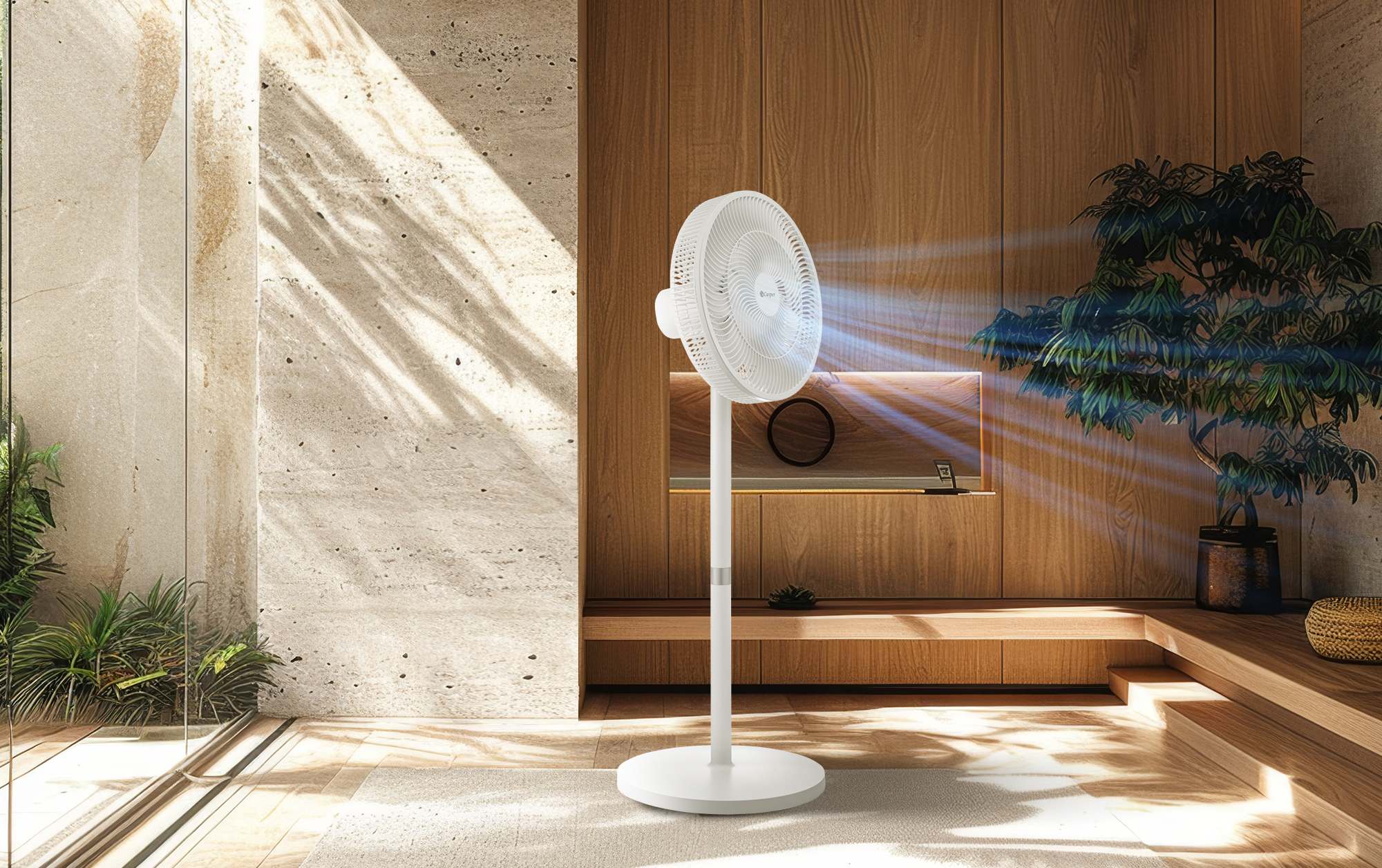
What Makes a Vornado Different? It’s an Air Circulator, Not a Fan
First things first, let’s get the terminology right. While it looks like a fan, Vornado calls its signature products “air circulators.” This isn’t just clever marketing jargon; it’s the fundamental principle behind their design.
- A Standard Fan: Think of a typical oscillating fan. It chops up the air and throws it in a straight line. It creates a “wind chill” effect, cooling you down only when you’re directly in its path. Move a few feet away, and you feel nothing. The air in the rest of the room remains hot and stagnant.
- A Vornado Air Circulator: This is a different beast altogether. A Vornado uses a unique combination of a deep-pitched propeller, a special air-duct enclosure, and a spiral grill. This trio works together to create a powerful, spinning column of air called a Vortex. Instead of just blowing air at you, it’s designed to move all the air in the room.
Think of it this way: a regular fan is like spraying a hose at yourself to cool down. A Vornado is like dropping a stone into a still pond—it creates ripples that move the water across the entire surface. Its goal is to create constant, whole-room air circulation, eliminating hot and cold spots and making the entire space feel more comfortable and consistent.
The Secret Sauce: Where You Place Your Vornado
Because it works by circulating all the air, placement is everything. The biggest mistake people make is pointing their Vornado directly at themselves. While it might feel okay up close, you’re missing out on 90% of its capability. Let’s break down the proper technique for different seasons.
How to Use a Vornado Fan Correctly in the Summer
During hot weather, the goal is to create a room-wide convection current. You want to move the cooler air from the floor up to the ceiling and push the hotter air that has risen back down to be cooled.
- Identify Your Target Wall: Find the wall farthest away from where you spend the most time (e.g., the wall opposite your couch or bed).
- Position the Vornado: Place the Vornado fan on the floor or a low table, facing that far wall. It should not be pointed at you or into an empty corner.
- Aim Upwards: Tilt the head of the Vornado so the vortex of air is aimed towards the upper corner of that opposite wall. You’re aiming for a spot roughly halfway between the ceiling and the corner.
- Set the Speed: Turn it on to a medium-high setting to get the circulation started. The powerful vortex will travel across the room, hit the wall, and then split, moving across the ceiling and down the side walls.
- Feel the Effect: Within minutes, you’ll notice a gentle, pleasant air movement throughout the entire room, not just in one spot. The room temperature will feel more uniform, and you’ll be able to raise your thermostat by a few degrees, saving on energy bills.
“The most common mistake is treating a Vornado like a personal fan. It’s a whole-room system. By aiming it at a wall, you’re using the room’s own structure to create a powerful, natural-feeling circulatory pattern that traditional fans simply can’t replicate.” – Sarah Jenkins, HVAC Specialist
Using Your Vornado in the Winter
Wait, use a fan in the winter? Absolutely! It’s one of the best ways to improve your heating efficiency. We all know that heat rises, creating a layer of toasty air near your ceiling while your feet are left in the cold. A Vornado can fix this. This process is called destratification.
- Locate the Heat Source: Find your primary heat source, like a radiator, vent, or fireplace.
- Position and Aim: Place the Vornado on the other side of the room, facing the heat source but aimed up at the ceiling.
- Power On: Set it to a low speed. You don’t need a powerful vortex, just enough to gently push that hot air pooled at the ceiling back down into the living space.
- Circulate the Warmth: The Vornado will draw in the cooler air from the floor and push it upwards, which in turn displaces the hot air at the ceiling and forces it back down the walls and into the room. This evens out the temperature, making your heating system work less and potentially lowering your energy consumption.
Keeping Your Vornado in Tip-Top Shape: Cleaning and Maintenance
To keep that vortex spinning powerfully, you need to keep your circulator clean. Dust and grime can build up on the blades and grill, reducing airflow and efficiency. Luckily, it’s pretty straightforward. Always unplug the unit before cleaning.
A Simple Cleaning Checklist
- [ ] Weekly Dusting: Use the brush attachment on your vacuum cleaner to go over the front and back grills. This prevents major dust buildup.
- [ ] Monthly Deep Clean (for most models):
- Remove the Grill: Most Vornado grills are held on by a few clips or screws. Consult your manual, but they are generally easy to pop off.
- Wipe the Blades: Use a soft, damp cloth to wipe down each of the propeller blades. A little mild soap is fine, but avoid harsh chemical cleaners.
- Clean the Grill: You can wash the grill in the sink with warm, soapy water. Make sure it is completely dry before you reattach it.
- Vacuum the Interior: While the grill is off, use your vacuum’s brush attachment to clean any dust from the motor housing and interior surfaces.
- Reassemble: Snap or screw the dry grill back into place, and you’re good to go.
Regular cleaning not only improves performance but also extends the life of the fan’s motor. A clean fan is an efficient fan.
Frequently Asked Questions (FAQ)
We get a lot of questions about getting the most out of these unique air circulators. Here are some of the most common ones.
Is it ever okay to point a Vornado fan at myself?
While it’s not the optimal way to use it for whole-room circulation, of course, you can! If you want a direct breeze for a few minutes, go for it. Just know that you’re using it as a standard fan and not taking full advantage of its Vortex Action technology for long-term comfort.
How much electricity does a Vornado fan use?
Vornado fans are remarkably energy-efficient. Because they make the whole room feel more comfortable, you can adjust your thermostat accordingly. In the summer, using a Vornado allows you to raise your AC setting by up to 5°F with no reduction in comfort. This can lead to significant savings on your cooling costs. They use far less energy than an air conditioning unit.
Are Vornado fans loud?
On their highest settings, they need to move a lot of air, so you will hear them. However, the sound is generally a smooth “whoosh” of air, not a rattly or mechanical noise. Once whole-room circulation is established, you can usually turn the speed down to a near-silent low setting to maintain the effect. Many users find the white noise on low settings perfect for sleeping.
Can I use a Vornado with my windows open?
Yes! Placing a Vornado facing an open window on a cool evening is a fantastic way to quickly pull fresh, cool air into a room and push the stale, hot air out. It’s much more effective than simply placing a box fan in the window.
What does CFM mean and why does it matter?
CFM stands for Cubic Feet per Minute. It’s a measure of how much air a fan can move. A higher CFM means the fan is more powerful and can circulate air in a larger space. When choosing a Vornado, you should match the model’s CFM rating to your room size for the best performance.
The Takeaway: It’s a Whole New Way to Think About Air
Mastering how to use a Vornado fan correctly is less about following a rigid set of rules and more about shifting your mindset. Stop thinking about “blowing air” and start thinking about “moving air.” By using your walls and ceiling as partners in circulation, you unlock a level of comfort and efficiency that a simple fan could never achieve. So go ahead, experiment with placement, feel the difference, and enjoy the subtle, room-filling comfort you can now create any time of the year.