That moment when you finally, finally get the baby to sleep, and you tiptoe out of the nursery like a ninja, holding your breath. We’ve all been there. The last thing you want is for them to wake up because the room is too stuffy or too hot. Finding the Best Fan For Baby Room comfort isn’t just about cooling; it’s about creating a safe, serene, and sleep-inducing environment. I remember one sweltering summer night last year, frantically waving a magazine to create a breeze for my little one, and I knew there had to be a better way. This guide is that better way. We’re going to break down everything you need to know, from safety features to the gentle hum that can actually help your baby sleep better.
Why a Fan is a Nursery Must-Have
Before we dive into models and features, let’s talk about why a fan is such a game-changer for a nursery. It’s not just about comfort on a warm day. Proper air circulation is key to a healthy sleep environment. In fact, some studies have suggested that using a fan in a baby’s room can help reduce the risk of Sudden Infant Death Syndrome (SIDS). While a fan is not a preventative medical device, the improved air circulation helps disperse carbon dioxide and keep the room from getting too stuffy. Plus, the consistent, gentle white noise can work wonders for drowning out household sounds and lulling your baby into a deeper sleep.
What Makes a Fan “Baby-Ready”? The Non-Negotiables
Choosing a fan for a nursery is a whole different ball game than picking one for your living room. The stakes are higher, and the priorities are different. Here’s what you absolutely need to look for when searching for the best fan for baby room use.
Safety First, Always
This is the number one priority, period. A curious toddler can get into anything, so your fan needs to be a fortress of safety.
- Bladeless Design: This is the gold standard for nursery safety. Bladeless fans, like those popularized by Dyson, use a different technology to move air, eliminating the risk of tiny fingers getting caught in fast-spinning blades.
- Small Grille Gaps: If a bladeless fan isn’t in the budget, look for a traditional fan with a cover grille that has very small openings. The “finger test” is a good rule of thumb: if you can’t easily poke your pinky finger through, it’s likely a safer choice.
- Sturdy, Tip-Proof Base: Look for fans with a wide, heavy base that won’t be easily knocked over by a crawling baby or a clumsy, sleep-deprived parent in the middle of the night.
- Cord Management: Dangling cords are a hazard. Look for models with cord storage options or plan to use cord concealers to keep them safely tucked away.
Whisper-Quiet Operation
A noisy fan can be just as disruptive as no fan at all. You’re looking for a gentle hum, not a jet engine.
- Look for the Decibels (dB): Many manufacturers now list the decibel level of their fans. For a nursery, anything under 40 dB on a low setting is ideal. For comparison, a whisper is about 30 dB.
- DC Motors: Fans with DC (Direct Current) motors are often significantly quieter and more energy-efficient than their AC (Alternating Current) counterparts. They might cost a bit more upfront, but the peace and quiet are worth it.
“A common mistake parents make is focusing only on cooling power,” notes Dr. Sarah Jenkins, a pediatrician specializing in infant sleep environments. “The ideal nursery fan provides gentle, indirect air circulation. It should create a subtle breeze, not a wind tunnel. The consistent, low-level white noise is often a bonus that aids in sleep consolidation for the infant.”
Gentle, Consistent Airflow
A baby’s body can’t regulate temperature as effectively as an adult’s. A powerful, direct blast of air can make them too cold. You want a fan that circulates the air gently throughout the room. Look for features like:
- Multiple Speed Settings: The more settings, the better. You need an ultra-low setting for peaceful nights.
- Oscillation: This feature allows the fan to turn from side to side, distributing air evenly rather than focusing it on one spot.
- “Natural Breeze” or “Sleep” Mode: Some modern fans have modes that vary the airflow to mimic a natural, gentle breeze, which is much more pleasant and less jarring.
Types of Fans: The Showdown for the Nursery
So, what kind of fan should you get? Let’s compare the most common types to find the best fan for baby room safety and comfort.
| Fan Type | Pros | Cons | Best For |
|---|---|---|---|
| Bladeless Fan | Ultimate safety, easy to clean, modern look. | Expensive, can be louder on high settings. | Parents prioritizing safety above all else. |
| Tower Fan | Small footprint, good safety with internal blades. | Can be difficult to clean, airflow is more focused. | Small nurseries where floor space is a premium. |
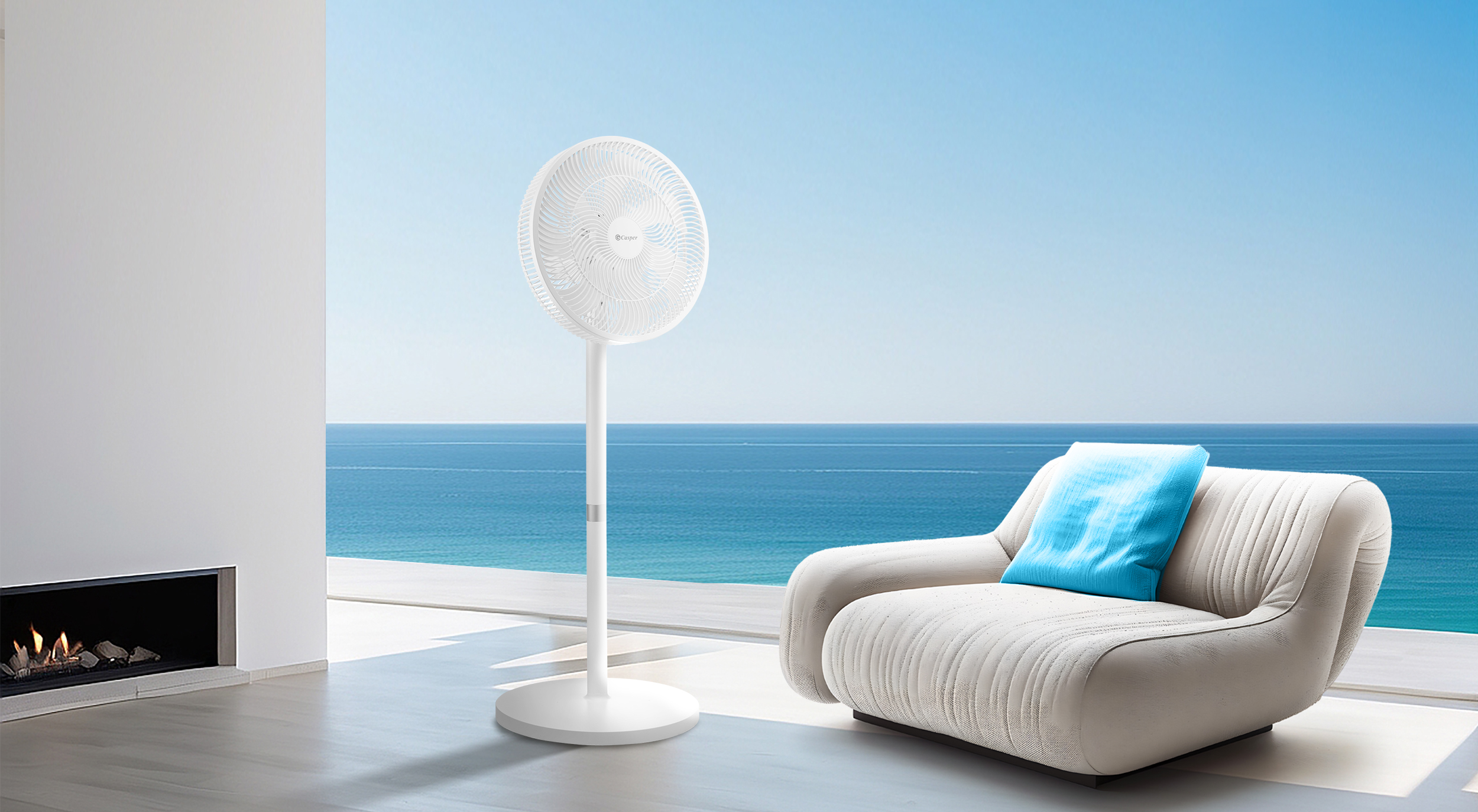
| Pedestal Fan | Great air circulation, often budget-friendly. | Potential safety hazard with blades, can be wobbly. | Larger rooms, but only with a child-safe grille. |
| Ceiling Fan | Excellent whole-room circulation, out of reach. | Requires installation, blades can collect dust. | Permanent, whole-room cooling solutions. |
How to Choose the Right Electric Fan for a Nursery?
Choosing the right fan involves balancing these factors. Start by assessing your room’s size and your primary concern (e.g., safety, noise). A bladeless or tower fan is often the top choice for nurseries due to their inherent safety designs and quiet operation.
Smart Features That Actually Matter
In a world of “smart everything,” some features are genuinely helpful for parents.
- Remote Control / App Control: Being able to adjust the fan speed or turn it off from the doorway without creaking open the door and risking waking the baby is priceless.
- Timer Function: Set the fan to turn off automatically after a few hours. This prevents the room from getting too chilly overnight and saves energy.
- Night Light: Some fans come with a built-in, dimmable night light, which can be a great two-in-one feature for those late-night check-ins.
Maintenance: Keeping the Air Clean and the Fan Running
A dusty fan just circulates allergens around the room. Regular cleaning is crucial.
- Safety First: Always unplug the fan before you begin cleaning.
- Wipe Down: Use a damp microfiber cloth to wipe the exterior and the grille.
- Vacuum: Use a brush attachment on your vacuum cleaner to get dust out of the vents and grille openings.
- Deep Clean (if possible): For fans with removable grilles, follow the manufacturer’s instructions to take them off and wash them with mild soap and water. Ensure they are completely dry before reassembling.
A quick wipe-down weekly and a deeper clean monthly should keep the air in the nursery fresh.
Frequently Asked Questions (FAQ)
1. Is it safe for a fan to run all night in a baby’s room?
Yes, it is generally safe. The key is to ensure the fan is not blowing directly on the baby. Position it so that it circulates the air around the room. This improves ventilation and provides a consistent, soothing sound.
2. What is the best position for a fan in a nursery?
Place the fan across the room from the crib, pointing it towards a wall or the ceiling. This allows the air to bounce off the surface and circulate gently throughout the space, avoiding a direct draft on your baby.
3. How do I know if the fan is too loud for my baby?
A good rule is that the fan shouldn’t be louder than a soft shower. If you have to raise your voice to speak over it, it’s too loud. Look for models with a decibel rating under 40dB for the quietest operation.
4. Can using a fan make my baby sick?
A fan itself doesn’t cause illness. Sickness is caused by viruses and bacteria. However, a fan that is dirty can circulate dust and allergens, which might irritate a sensitive baby. This is why regular cleaning, as mentioned in our guide, is so important.
5. Which type is truly the best fan for baby room safety?
Hands down, a bladeless fan offers the highest level of safety because it has no accessible moving parts. If that’s not an option, a tower fan is the next best choice as its blades are enclosed within the unit’s housing, far from curious hands.
The Final Breeze
Choosing the right fan for your baby’s room is a decision that brings peace of mind. It’s about more than just temperature control; it’s about creating a safe, comfortable, and restful sanctuary for the most precious person in your life. By prioritizing safety features like a bladeless design, opting for whisper-quiet operation, and ensuring gentle air circulation, you can find the perfect cooling companion for the nursery. Investing in the best fan for baby room comfort is an investment in better, safer sleep for your little one—and for you.