There’s a special kind of dread that creeps in when the summer heat begins to build, turning your living room into a sauna. You finally make the smart move and buy a new pedestal fan, a beacon of breezy hope. But then you open the box, and a jumble of plastic and metal parts spills out, along with an instruction manual that looks like it was written in another language. If you’re currently staring at this puzzle and wondering How To Assemble A Pedestal Fan without losing your cool, you’ve come to the right place. Don’t sweat it! Assembling a standing fan is one of those tasks that looks far more intimidating than it actually is. Think of it as adult LEGOs, but the end result actually helps you survive a heatwave.
Let’s walk through this together. In about 15 minutes, you’ll go from a box of bits and pieces to a fully functional cooling machine, ready to deliver that sweet, sweet air circulation.
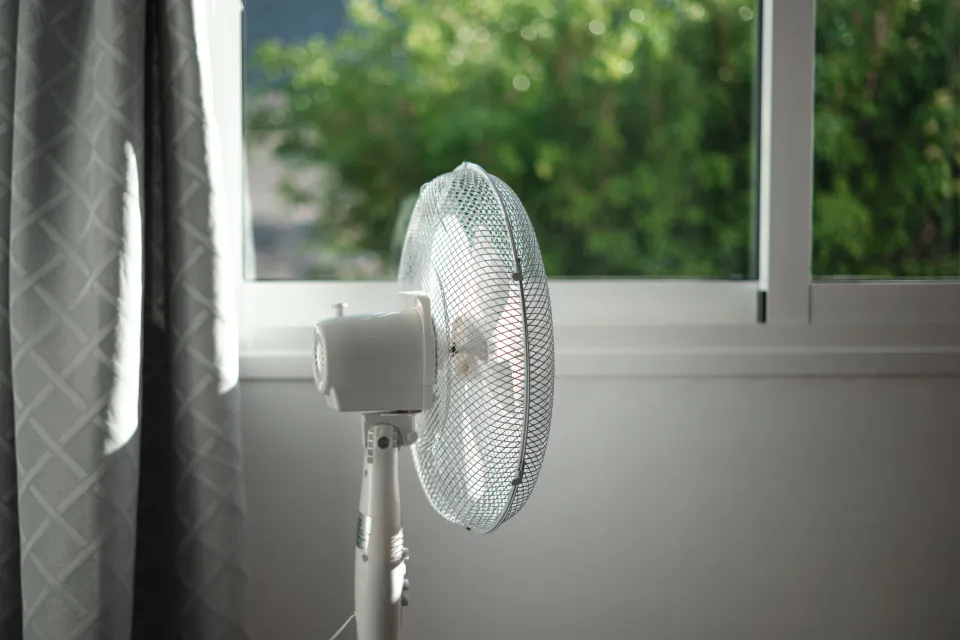
Before You Begin: Unboxing and Prep
Ever heard the saying, “measure twice, cut once”? The same principle applies here. A few minutes of preparation can save you a world of frustration. Before you start snapping pieces together, let’s get organized.
- Find Your Workspace: Clear a small area on the floor. You’ll want enough room to lay out all the parts without losing a crucial screw under the sofa. I learned this the hard way last summer!
- The Great Unboxing: Carefully take everything out of the box. Lay each component out on the floor. Your fan will typically come with a base, a pole (sometimes in two parts), the motor housing (the heavy part), two grilles (front and back), the fan blade, and a few small nuts or caps.
- Do a Parts Check: Glance at the parts list in your manual and compare it with what you have on the floor. It’s rare, but sometimes a small piece can go missing in transit. It’s better to know now than when you’re halfway through the assembly.
- Read the Manual (Seriously!): I know, I know. But give it a quick scan. While most pedestal fans follow the same assembly logic, your specific model might have a unique quirk. Pay special attention to the diagrams.
How to Assemble a Pedestal Fan: The Main Event
Alright, time for the main event. We’ll build this from the ground up, which is the most stable and logical way to do it.
Step 1: Assemble the Base
The base is your fan’s foundation. It’s usually a heavy, circular piece or a cross-shaped stand.
- If you have a cross-shaped base, slide the two pieces together to form an “X”. They should lock into place.
- If you have a heavy, solid base, you’re one step ahead. Look for a large screw or locking plate that came with it. You’ll need this to attach the pole.
Step 2: Attach the Pole
The pole gives your fan its height.
- Take the main extendable pole and locate the bottom end.
- Insert this end into the center of the base you just assembled.
- Secure it from underneath. You’ll either use a large screw that you tighten by hand or a set of screws that require a Phillips head screwdriver. Tighten it until it’s snug and secure. The pole shouldn’t wobble at all. If it does, you haven’t tightened it enough.
Step 3: Mount the Motor Housing
This is the heart of your fan. It’s the heaviest part, so handle it with care.
- At the top of the pole, you’ll likely see a height adjustment collar and some securing screws or a clamp. Loosen them.
- Slide the motor housing unit down onto the top of the pole.
- Tighten the securing screw or clamp firmly. Give it a gentle wiggle to make sure it’s not going anywhere. This is a critical step for a stable fan.
“A properly secured motor housing is the number one factor in preventing annoying rattles and wobbles down the line,” notes Dr. Eleanor Vance, an expert in consumer appliance ergonomics. “Take an extra 30 seconds here to ensure it’s rock-solid.”
Step 4: Install the Rear Grille
Now we’re building the “cage” that keeps fingers safe and directs airflow.
- Look at the front of the motor housing. You’ll see a small threaded spindle and likely some plastic notches or pegs.
- There should be a large plastic retaining nut already on the spindle. Unscrew it by turning it clockwise (this is often the opposite of a normal screw, so pay attention!).
- Take the rear grille (the one with the deeper indent and mounting holes) and align its holes with the pegs on the motor housing. It should only fit one way.
- Screw the plastic retaining nut back on, turning it counter-clockwise to tighten. Hand-tight is perfect.
Step 5: Attach the Fan Blade
This is the moment it starts to look like a real fan.
- The motor spindle has a small, flat-sided section. Look at the hole in the center of the fan blade; it will have a matching shape.
- Slide the fan blade onto the spindle, aligning the flat sides. It should slide on smoothly. Push it on until it stops.
- Secure the blade. You’ll have a small plastic cap, often called a spinner. This screws onto the very tip of the spindle. Important: this cap usually tightens by turning counter-clockwise.
Step 6: Attach the Front Grille and Final Check
The final piece of the puzzle!
- Take the front grille and look for a small hook or clip at the top. Hang this onto the top of the rear grille.
- The two grilles are designed to snap together. Work your way around the edge, closing the small clips that hold the two halves together. Some models have a single screw at the bottom for extra security.
- Give the whole assembly a final once-over. Is everything tight? Does the blade spin freely by hand without hitting the grille? Great! Now you can plug it in and enjoy the breeze.
What If Something Goes Wrong? Common Assembly Hiccups
Sometimes, things don’t go perfectly. Here are a few common issues and how to fix them.
Why is my new fan wobbling?
A wobbly fan is usually caused by an improperly secured base or motor. Go back to steps 2 and 3 and ensure all screws connecting the pole to the base and the motor to the pole are fully tightened. A slightly unbalanced fan blade can also be the culprit, but this is less common with new units.
The grilles don’t seem to line up. What do I do?
This is a classic frustration. Most often, it’s because the rear grille isn’t seated correctly on its guide pegs (Step 4). Unscrew the retaining nut, take the rear grille off, and carefully place it back on, making sure it sits flush against the motor housing before you try to attach the front grille again.
The fan is making a clicking or scraping noise.
This is an immediate “turn it off and unplug it” situation. The most likely cause is that the fan blade is hitting the grille. This means either the blade isn’t pushed all the way onto the spindle, or one of the grilles is bent or not clipped on correctly. Check your work from steps 5 and 6.
Beyond Assembly: Getting the Most Out of Your New Cooling Solution
Knowing how to assemble a pedestal fan is just the start. To turn that fan into a truly effective cooling solution, a little strategy goes a long way.
- Placement is Key: Don’t just point the fan at you. To improve a room’s overall air circulation, place the fan facing an open window or door (especially at night) to pull in cooler air from outside. During the day, you can use it to create a cross-breeze between two open windows. For more ideas, check out
[our complete guide to strategic fan placement]. - Keep It Clean: A dusty fan is an inefficient fan. Every few weeks, unplug the fan and wipe down the grilles and blades with a damp cloth. This simple maintenance improves airflow and the air quality in your room.
- Embrace Smart Features: Many modern fans come with features that boost comfort and energy efficiency. A remote control is a godsend for lazy evenings, while a timer function can turn the fan off after you’ve fallen asleep, saving electricity. If you’re comparing different types of fans, you might want to see
[how a pedestal fan stacks up against a tower fan].
Frequently Asked Questions (FAQ)
Q1: How long does it typically take to assemble a pedestal fan?
For most people, even those with no experience, the process takes about 15 to 20 minutes. Taking your time to read the instructions and organize the parts first is the key to a quick and successful assembly.
Q2: Do I need any special tools to assemble a pedestal fan?
Usually, no. The vast majority of pedestal fans are designed for tool-free assembly, using hand-tightened screws and plastic nuts. A few models may require a simple Phillips head screwdriver for the base, which is a common household tool.
Q3: Is it okay if the fan blade has a little bit of a wobble?
No, a perfectly assembled fan blade should spin smoothly with no perceptible wobble. If you see a wobble, turn it off immediately. The most common cause is the blade not being fully seated on the flat-sided spindle. Revisit Step 5 to ensure a secure fit.
Q4: Can I use a different base with my fan?
It is not recommended. Fan components are designed to work together as a balanced system. Using a non-original base can lead to instability, posing a safety risk and potentially damaging the motor from excessive vibration.
Q5: How much electricity does a pedestal fan use?
Pedestal fans are a very energy-efficient cooling solution. On average, a typical fan uses only about 50-60 watts of power on its highest setting, which is significantly less than an air conditioner. They are designed to move air, not cool it, making them a cost-effective choice for many homes.
Conclusion
There you have it. You’ve successfully navigated the world of nuts, grilles, and blades to conquer the challenge of how to assemble a pedestal fan. That feeling of satisfaction as you switch it on for the first time and feel that cool breeze is your well-earned reward. By following these steps, you’ve not only put together a new appliance, but you’ve also ensured it will run safely, quietly, and efficiently for many hot summers to come. Now, sit back, relax, and enjoy the airflow. You’ve earned it.