That gentle hum of a fan on a sweltering summer night is one of life’s simple pleasures, isn’t it? It’s the sound of comfort, of a cool breeze cutting through the sticky heat. But as you drift off to sleep, a nagging question might pop into your head: just How Much Electricity Does A Fan Use? Is this affordable comfort secretly racking up my energy bill? I remember one particularly hot August last year, I had three fans going almost non-stop and I braced myself for a sky-high bill. The surprise? It was barely a blip on the radar.
Let’s pull back the curtain on this everyday appliance. In this guide, we’re going to break down everything you need to know about your fan’s energy consumption, from the different types of fans to the real-world cost of running one. No complex jargon, just straightforward answers to help you stay cool without sweating the cost.
First, What Makes a Fan Tick?
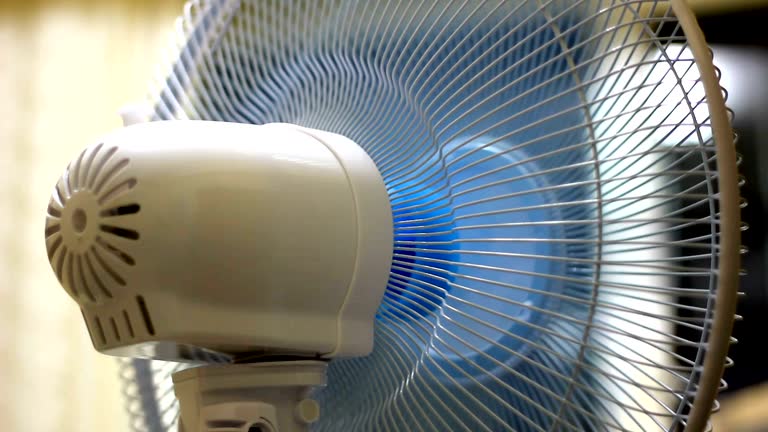
Before we get into the numbers, let’s quickly touch on the basics. An electric fan is a beautifully simple machine. At its heart is an electric motor. When you plug it in and turn it on, electricity flows to the motor, which converts electrical energy into mechanical energy. This energy spins a shaft connected to the fan’s blades. The blades are angled just right to chop through the air and push it forward, creating the breeze you feel. It’s all about moving air, not actually cooling it like an air conditioner does. This fundamental difference is why its energy use is in a completely different league.
The Cast of Characters: Fan Types and Their Power Appetites
Not all fans are created equal, especially when it comes to power consumption. The type, size, and design of a fan play a huge role in how much juice it needs.
Ceiling Fans
These are the heavyweights of air circulation, mounted permanently on your ceiling. Because they have large blades that move slowly, they are incredibly efficient at moving a large volume of air throughout a whole room.
- Typical Wattage: 15 – 75 watts. Modern DC motor ceiling fans are on the lower end, while older, larger models are on the higher end.
Pedestal Fans (Stand Fans)
The classic, versatile choice. These are the tall, oscillating fans you can move from room to room. They’re great for targeted cooling and are a staple in many households.
- Typical Wattage: 40 – 60 watts.
Tower Fans
Sleek, modern, and space-saving. Tower fans use a different mechanism, pulling air in and pushing it out through a tall, narrow column. They often come with extra features like remote controls and timers.
- Typical Wattage: 45 – 70 watts. Their design can sometimes require a bit more power to generate a strong airflow.
Box Fans
Simple, no-frills, and effective. These square-shaped fans are fantastic for moving a lot of air quickly, like when you’re trying to air out a room. They’re generally inexpensive but can be a bit louder.
- Typical Wattage: 50 – 100 watts. They can be some of the more power-hungry portable fans.
Desk or Table Fans
The personal coolers. Perfect for your home office desk or bedside table, they provide a focused stream of air just for you.
- Typical Wattage: 10 – 30 watts. They are by far the most energy-frugal option.
So, How Much Electricity Does a Fan Use in Dollars and Cents?
Alright, let’s get to the nitty-gritty. To figure out the cost, you need to know two things: your fan’s wattage and the price you pay for electricity (found on your utility bill, measured in cents per kilowatt-hour or kWh).
Here’s the simple formula:
- Find the Wattage: Look for a sticker on the fan’s motor or base. Let’s use a common pedestal fan as an example: 50 watts.
- Calculate Kilowatt-hours (kWh): Since electricity is billed in kWh, we need to convert.
(Wattage × Hours of Use) / 1000 = kWh- Let’s say you run your 50W fan for 10 hours overnight:
(50W × 10 hours) / 1000 = 0.5 kWh.
- Calculate the Cost: Multiply the kWh by your electricity rate. The US national average is around $0.17 per kWh (as of early 2024).
0.5 kWh × $0.17/kWh = $0.085
That’s right. Running your fan all night costs you less than nine cents. It’s barely the cost of a single piece of candy.
Let’s see how that adds up over time for our 50-watt fan running 10 hours a day:
- Daily Cost: ~$0.09
- Monthly Cost: ~$2.55
- Yearly Cost (if used daily): ~$31
Suddenly, that constant breeze feels even more refreshing, doesn’t it?
Quick Comparison of Fan Electricity Usage
To make it even clearer, here’s a table comparing the estimated monthly cost of different fan types, assuming 10 hours of daily use at $0.17/kWh.
| Fan Type | Average Wattage | Est. Monthly kWh | Est. Monthly Cost |
|---|---|---|---|
| Desk Fan | 20W | 6 kWh | $1.02 |
| Pedestal Fan | 50W | 15 kWh | $2.55 |
| Tower Fan | 60W | 18 kWh | $3.06 |
| Ceiling Fan (DC) | 30W | 9 kWh | $1.53 |
| Box Fan | 75W | 22.5 kWh | $3.83 |
Note: These are estimates. Your actual costs will vary based on your fan’s specific model and your local electricity rate.
What Other Factors Affect a Fan’s Energy Use?
It’s not just the type of fan that matters. Several other variables can influence its consumption.
Speed Kills… Your Savings (A Little)
This is the biggest one. Running a fan on high can use double the electricity of running it on low. If you just need gentle air circulation, stick to the lowest setting. The medium setting is often the sweet spot for comfort and energy efficiency.
Age and Maintenance
An old, dusty fan has to work harder. Dust and grime on the blades and in the motor create drag and friction, forcing it to draw more power to achieve the same speed. A simple cleaning can genuinely improve its efficiency. We’ve got a whole guide on [how to clean your fan properly] if you need a step-by-step walkthrough.
Size and Airflow (CFM)
Bigger fans with larger blades don’t necessarily use more power. In fact, a large ceiling fan moving slowly can be more efficient at circulating air in a big room than a small pedestal fan running at full blast. Look for a fan’s CFM (Cubic Feet per Minute) rating. A higher CFM means it moves more air. Choosing a fan with the right CFM for your room size is key to efficiency.
Pro Tips for Maximum Cooling, Minimum Cost
Want to get the most out of your fan without spending an extra dime? Here are some simple tricks our team at Electric Fan Media swears by.
- Set Your Ceiling Fan Correctly: In the summer, your ceiling fan should spin counter-clockwise. This pushes air straight down, creating a direct, cooling downdraft. In the winter, reverse it to clockwise to pull cool air up, which helps circulate the warm air that pools near the ceiling.
- Pair it with Your AC: This is the ultimate energy-saving combo. A fan creates a wind chill effect, making you feel several degrees cooler. You can then raise your air conditioner’s thermostat by 4-6 degrees and feel just as comfortable, saving a huge amount on your AC’s running costs.
- Use Timers: Many modern fans come with timers. Set it to turn off an hour or two after you fall asleep. Your body temperature drops as you sleep, so you won’t need it running all night.
- Create a Cross-Breeze: On cooler nights, place one fan facing in an open window and another facing out a window on the opposite side of the house. This creates a powerful wind tunnel, pushing hot air out and pulling cool, fresh air in.
“People often underestimate the power of air circulation,” says John Anderson, a veteran HVAC engineer. “A fan doesn’t lower the room’s temperature, but it lowers your body’s temperature by accelerating moisture evaporation from your skin. It’s a highly efficient personal cooling system, and using it strategically with an AC is the single best advice I can give for summer energy savings.”
Fan vs. Air Conditioner: The Ultimate Showdown
Let’s put this all into perspective. We’ve established that a typical fan costs a few dollars a month to run. So how does that stack up against an air conditioner?
- Average Fan: 50 – 70 watts
- Average Window AC Unit: 900 – 1,500 watts
- Average Central AC System: 3,000 – 5,000 watts
Running a central AC for just one hour can use the same amount of electricity as running a pedestal fan for two full days. The difference is staggering. While fans and ACs serve different purposes, for those moderately hot days, reaching for the fan’s power button instead of the thermostat is one of the smartest financial decisions you can make.
Frequently Asked Questions (FAQ)
How much electricity does a fan use per hour?
A typical pedestal fan uses about 0.05 kilowatt-hours (kWh) of electricity per hour. To find the exact usage, divide your fan’s wattage by 1,000. For example, a 60-watt fan uses 0.06 kWh per hour.
Is it cheaper to run a fan or AC all night?
It is dramatically cheaper to run a fan all night. A fan might cost around 8-10 cents for a full night’s use, whereas a window air conditioner could cost over a dollar for the same period. The savings are significant.
Do fans use a lot of electricity on high speed?
Yes, the high-speed setting uses the most electricity, often twice as much as the low setting. While the overall cost is still very low, using the lowest comfortable speed is the most energy-efficient way to operate your fan.
Is it safe to leave a fan on 24/7?
Modern, well-maintained fans are generally safe to leave on for extended periods. However, it’s important to ensure the fan is clean to prevent the motor from overheating due to dust buildup. Also, periodically check the cord for any signs of wear or damage.
How can I find the most energy-efficient fan?
Look for fans with the ENERGY STAR label. These products are certified to be significantly more energy-efficient than standard models. Additionally, fans with DC (direct current) motors are typically more efficient and quieter than traditional AC (alternating current) motors.
The Cool Conclusion
So, let’s circle back to our original question: how much electricity does a fan use? The resounding answer is: very little. It’s one of the most affordable and energy-efficient ways to stay comfortable. For just a few cents a day, you can enjoy a cooling breeze that makes a world of difference in the heat.
By understanding the small differences between fan types, using them strategically, and keeping them clean, you can maximize their benefits while keeping your energy bill refreshingly low. So go ahead, turn on that fan, and relax. It’s a cool choice for both your comfort and your wallet.